
Golden Monkey Trekking Rwanda
Golden Monkey Trekking Rwanda
Golden monkey trekking Rwanda is a guided primate experience in Volcanoes National Park where visitors hike through bamboo forests to observe the endangered Golden Monkey. It is more affordable and less demanding than gorilla trekking, making it ideal for travelers seeking an ակտիվ and accessible wildlife encounter.
Golden monkey trekking Rwanda is often overlooked by travelers focused only on gorillas.
Yet, it offers one of the most engaging primate experiences in East Africa.
If you are planning a Rwanda safari, understanding how golden monkey trekking Rwanda fits into your itinerary can help you make a smarter decision.
In this guide, you will learn what it is, how it compares to gorilla trekking, and whether it is worth including.
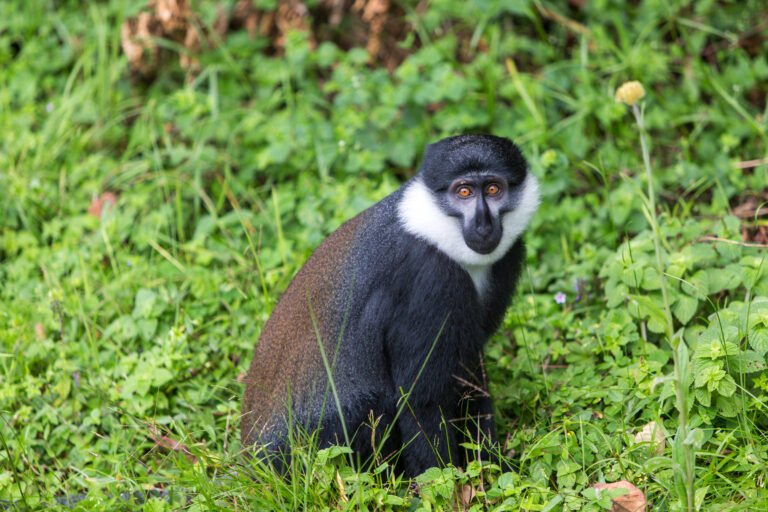
What Is Golden Monkey Trekking Rwanda?
Golden monkey trekking Rwanda is a guided hike to locate and observe golden monkeys in their natural habitat.
These monkeys live in large social groups inside bamboo forests in Volcanoes National Park.
Compared to Mountain Gorilla trekking, this experience is:
- Faster-paced
- Easier physically
- More dynamic and playful
You spend one hour observing them after they are located.
Many travelers combine this with gorilla trekking Rwanda to create a complete primate safari.
Where Does Golden Monkey Trekking Rwanda Take Place?
Golden monkey trekking Rwanda takes place exclusively in:
- Volcanoes National Park
This park lies in northern Rwanda and forms part of the Virunga ecosystem.
The bamboo forest zone is the primary habitat where golden monkeys are most active and easiest to find.
Golden Monkey Trekking Rwanda vs Gorilla Trekking
| Feature | Golden Monkey Trekking Rwanda | Gorilla Trekking |
|---|---|---|
| Difficulty | Easy to moderate | Moderate to challenging |
| Duration | 2–4 hours total | 4–8 hours possible |
| Cost | Lower | High ($1500 permit) |
| Experience | Playful, fast-moving | Calm, intimate |
| Terrain | Bamboo forest | Dense forest, steep slopes |
Key insight:
Golden monkey trekking Rwanda is ideal if you want a lighter, more active experience. Gorilla trekking offers a deeper but more demanding encounter.
Golden Monkey Behavior & Habitat
Golden monkeys are highly social and live in groups of up to 100 individuals.
They spend most of their time:
- Feeding on bamboo shoots
- Jumping between branches
- Moving quickly across the forest
Their habitat is the bamboo zone of Volcanoes National Park.
This behavior makes golden monkey trekking Rwanda:
- More energetic than gorilla trekking
- Less predictable
- Excellent for action photography
What to Expect During Golden Monkey Trekking Rwanda
Your experience begins with a morning briefing at the park headquarters.
Then:
- You transfer to the trailhead
- Begin a guided hike
- Track a habituated monkey group
Golden monkey trekking Rwanda is usually shorter than gorilla trekking.
However, the monkeys move constantly, so expect an active and engaging experience.
Golden Monkey Trekking Rwanda Cost
Golden monkey trekking Rwanda cost is $100 per person. The permit includes park entry, a professional guide, and one hour with the golden monkeys in Volcanoes National Park. Compared to gorilla trekking, it is a much more affordable primate experience while still offering close wildlife encounters.
The golden monkey trekking Rwanda cost is approximately $100 per person.
This permit includes:
- Park entry to Volcanoes National Park
- Professional ranger guide
- One hour with the Golden Monkey
Compared to gorilla trekking, this is significantly more affordable.
The golden monkey permit Rwanda offers strong value, especially for travelers on shorter or mid-range budgets.
Is Golden Monkey Trekking Rwanda Worth It?
Golden monkey trekking Rwanda is worth it for many travelers.
It is ideal if you:
- Want a more affordable primate experience
- Prefer shorter hikes
- Enjoy active wildlife encounters
It may not be ideal if:
- You are choosing only one primate trek
- You want a deeper, slower wildlife experience
In most cases, combining it with gorilla trekking Rwanda gives the best overall experience.
How to Plan Golden Monkey Trekking Rwanda
Best time to go:
- Dry seasons (June–September, December–February)
What to pack:
- Hiking boots
- Rain jacket
- Camera with zoom
What to combine:
- Gorilla trekking Rwanda
- Visit Iby’Iwacu Cultural Village
- Optional Kigali city tour
How Golden Monkey Trekking Rwanda Fits Into Your Safari
Golden monkey trekking Rwanda works best as part of a broader itinerary.
You can combine it with:
- Gorilla trekking in Volcanoes
- Safari in Akagera
- Chimpanzee trekking in Nyungwe
This creates a complete Rwanda wildlife experience across multiple ecosystems.
Golden Monkey Trekking Rwanda FAQs
Is golden monkey trekking Rwanda difficult?
Golden monkey trekking Rwanda is considered easy to moderate. The hike usually lasts 2–4 hours in the bamboo forest of Volcanoes National Park. It is less demanding than gorilla trekking, but still requires basic fitness due to uneven terrain.
How much is golden monkey trekking Rwanda?
The golden monkey trekking Rwanda cost is about $100 per person. This includes the golden monkey permit Rwanda, park entry, a guide, and one hour with the Golden Monkey in Volcanoes National Park.
Where can I see golden monkeys in Rwanda?
You can see golden monkeys in Volcanoes National Park. This park is the only place for golden monkey trekking Rwanda, mainly within the bamboo forest habitat.
Is golden monkey trekking Rwanda worth it?
Yes, golden monkey trekking Rwanda is worth it if you want a more affordable and active alternative to gorilla trekking. Seeing the endangered Golden Monkey in their natural habitat is a unique experience.
How long does golden monkey trekking Rwanda take?
Golden monkey trekking Rwanda typically takes 2–4 hours, including the hike and one hour spent observing the golden monkeys in Volcanoes National Park.
What is included in the golden monkey permit Rwanda?
The golden monkey permit Rwanda includes park entry, a ranger guide, and one hour with the monkeys in Volcanoes National Park. It ensures a structured and protected wildlife experience.