
Gishwati Mukura National Park
What is Gishwati Mukura National Park known for?
Gishwati Mukura National Park is primarily known as a symbol of ecological restoration and Rwanda’s newest national park. It is celebrated for its unique population of Eastern Chimpanzees, its status as a UNESCO Biosphere Reserve, and as a critical birding corridor within the Albertine Rift, housing species found nowhere else on Earth.
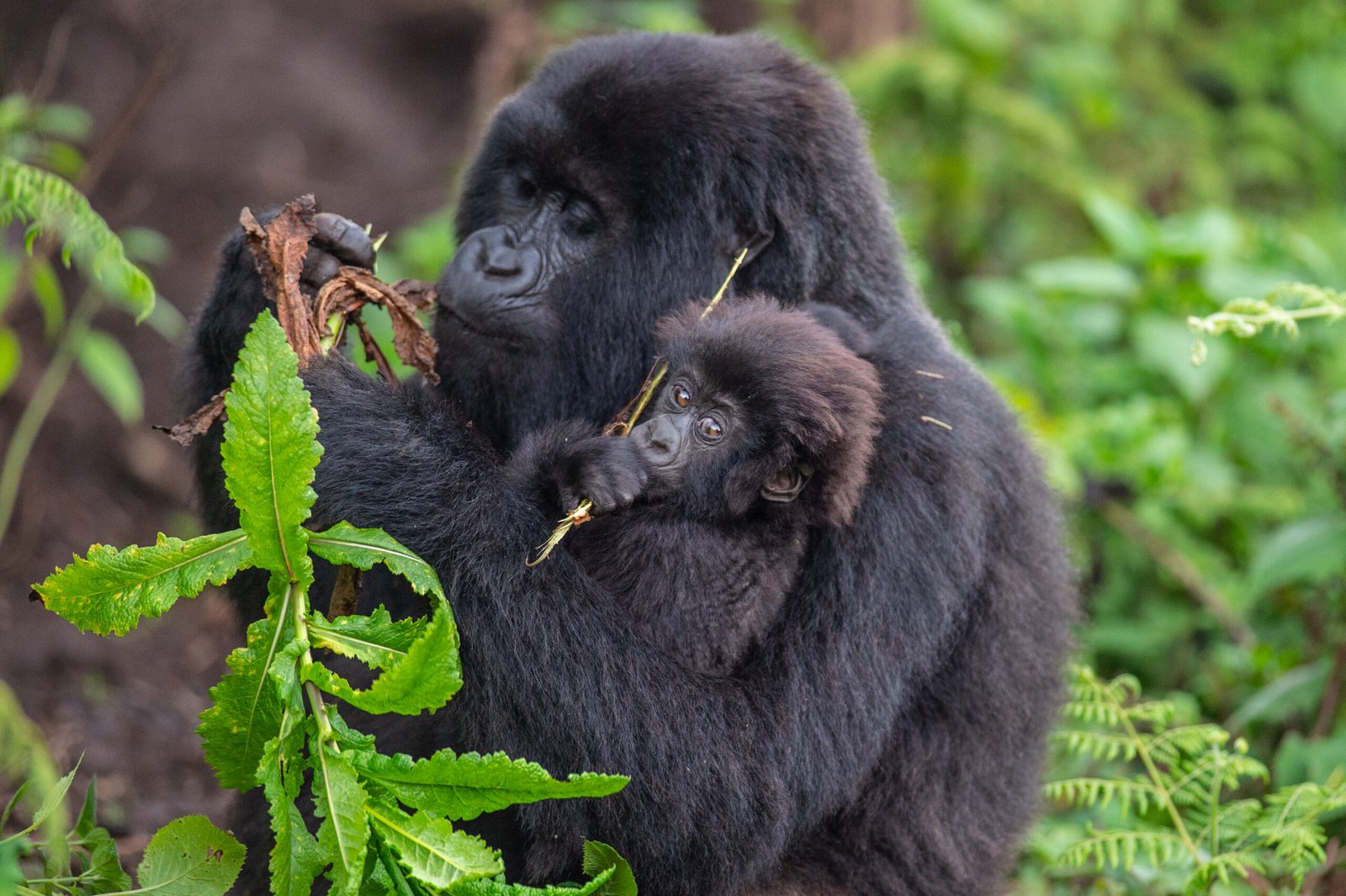
About Gishwati Mukura National Park
Formed by merging the Gishwati and Mukura forests, this park represents a bold effort to reverse decades of deforestation.
Location: Western Province of Rwanda, perched on the ridge of the Congo-Nile Basin divide.
Landscape: A fragmented montane rainforest featuring steep hillsides, indigenous hardwoods, bamboo thickets, and tea-plantation-fringed borders.
Size: Approximately 34 square kilometers (13.1 square miles), plus a surrounding buffer zone.
Elevation: High-altitude terrain ranging from 2,000 to 3,000 meters above sea level.
History: After losing over 90% of its cover due to resettlement and mining, the forests were gazetted as a single National Park in 2016 and designated a UNESCO Biosphere Reserve in 2020.
Others Activities
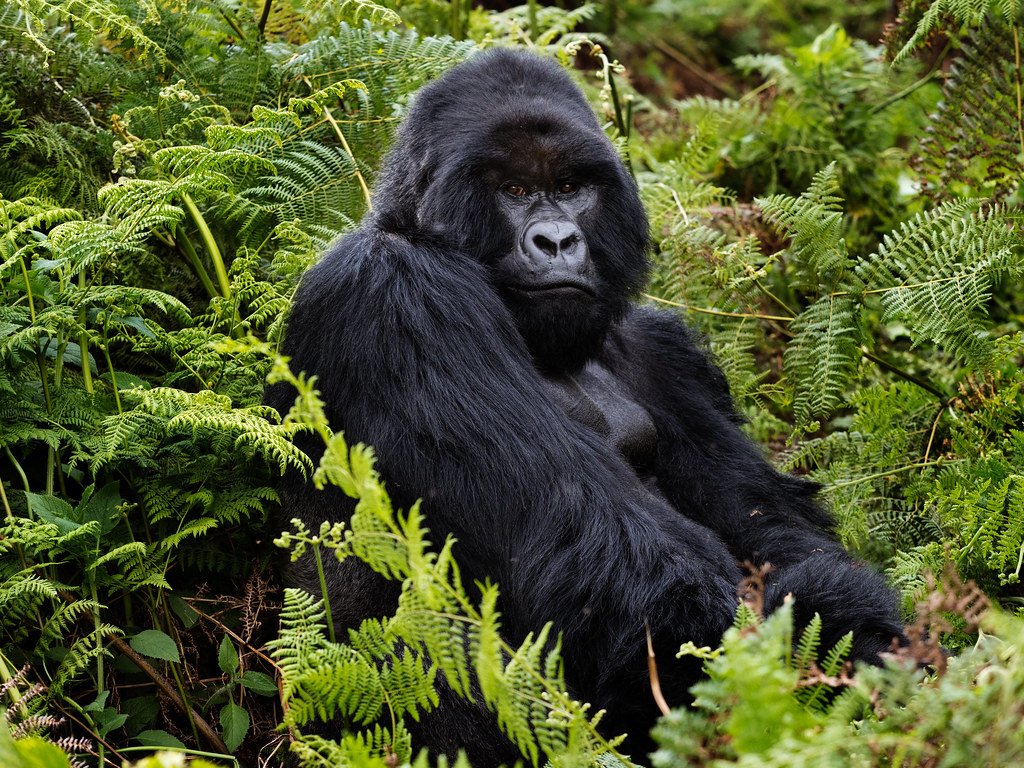
Volcanoes National Park
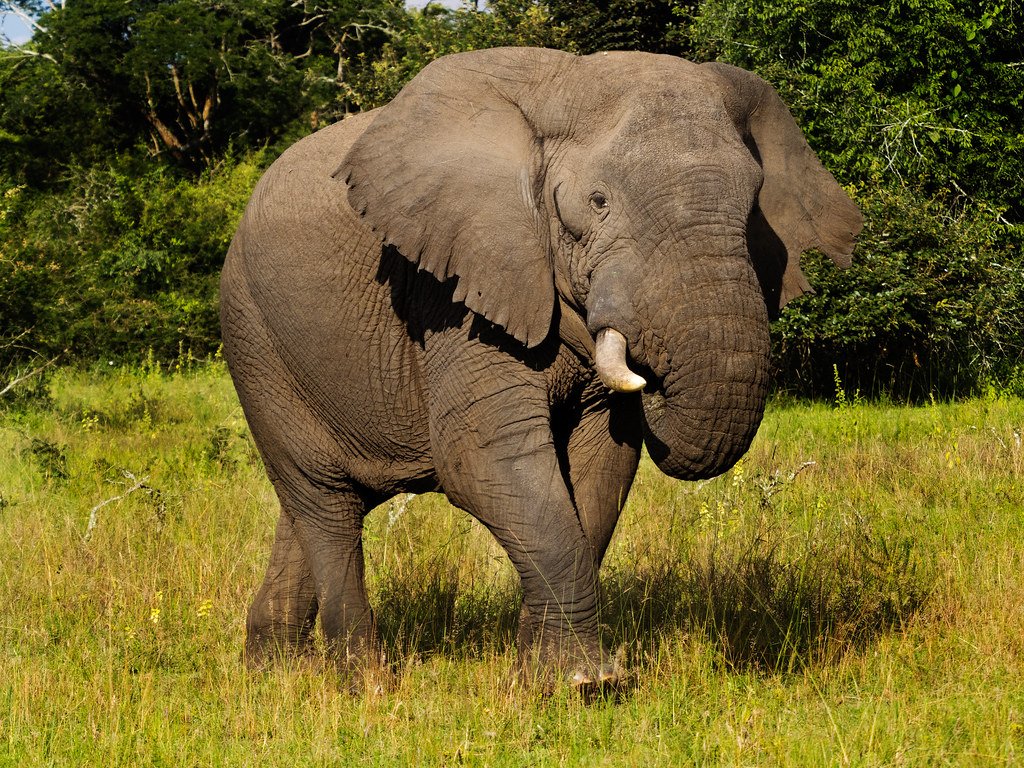
Akagera National Park

Nyungwe National Park
Wildlife in Gishwati Mukura National Park
Despite its smaller size, the park is a high-density biodiversity hotspot.
Primates:
Eastern Chimpanzees: A small, resilient community of approximately 30-35 individuals.
Golden Monkeys: Playful primates endemic to the Virunga and Albertine regions.
L’Hoest’s Monkeys: Distinctive white-bearded primates frequently seen in the undergrowth.
Blue Monkeys and Colobus: Other key residents of the forest canopy.
Birds: Over 230 species in Gishwati and 160 in Mukura, including the Rwenzori Turaco, Handsome Francolin, and the Regal Sunbird.
Other Fauna: Side-striped jackals, black-fronted duikers, and a variety of chameleons and butterflies.
Main Activities in Gishwati Mukura National Park
Chimpanzee Tracking: The flagship activity, offering an intimate look at the park’s flagship primate species.
Golden Monkey Tracking: Observing these rare primates as they forage in the bamboo and hardwood zones.
Guided Nature Hikes: Exploration of several trails, including the path to the Kazeneza Waterfall.
Birding Safaris: Focused tours targeting Albertine Rift endemics.
Cultural Encounters: Visits to local community cooperatives, including beekeeping and traditional craft demonstrations.
Best Time to Visit Gishwati Mukura National Park
- Dry Seasons (June to September & December to February): The optimal period for tracking. Trails are drier and less slippery, making the steep terrain more manageable.
- Wet Seasons (March to May & October to November): The forest is at its most lush, and bird activity is high. However, be prepared for heavy rains and challenging, muddy hiking conditions.
How to Get There
- By Road: Gishwati Mukura is approximately a 3 to 4-hour drive (170 km) from Kigali. It is conveniently located near the main road connecting Musanze (Volcanoes NP) and Rubavu (Lake Kivu).
- Road Conditions: While the main road is surfaced, the final access to the park headquarters usually requires a 4×4 vehicle, especially during the rainy season.
- Proximity: It is only about 1 hour from Rubavu, making it an excellent stopover between the gorillas of the north and the chimps of Nyungwe in the south.
Who Gishwati Mukura National Park Is Best For
Conservation-Minded Travelers: Those who want to support the restoration of a fragile ecosystem.
Serious Birders: Anyone looking to complete their Albertine Rift checklist in a less crowded environment.
Pioneer Safarigoers: Travelers who prefer “off-the-beaten-path” destinations away from the larger crowds of Volcanoes NP.
Frequently Asked Questions About
Gishwati Mukura National Park
Permit prices for chimpanzee tracking are generally lower than in Nyungwe, typically around $100 for international visitors (subject to RDB updates). Guided nature walks and birding are priced separately.
It is considered challenging. The forest is on a steep ridge, and since the chimps are still being fully habituated, tracking them often involves navigating thick, un-cleared brush.
The Forest of Hope Guest House is the primary on-site option, offering an immersive forest experience. Alternatively, many visitors stay in luxury or mid-range hotels in nearby Rubavu (Gisenyi) and drive to the park for day activities.
The dry season (June-September) is best for ease of movement, though the chimps are present year-round. Morning hours are the most active for sightings.
A 2-day/1-night stay is perfect. This allows for a chimpanzee trek on the first morning and a nature hike or community visit on the second day.
Book Now