
Nyungwe National Park Rwanda
Home To Chimpanzee Trekking
What is Nyungwe Forest National Park known for?
Nyungwe National Park Rwanda is celebrated as one of the oldest and best-preserved montane rainforests in Africa. It is primarily known for its high primate density, specifically its habituated chimpanzees and large troops of Angolan Colobus monkeys. Additionally, it hosts the iconic Canopy Walkway, a 160-meter suspension bridge providing a unique perspective of the Albertine Rift’s endemic biodiversity.
About the Nyungwe National Park Rwanda
Nyungwe is a vital catchment area, supplying 70% of Rwanda’s freshwater and feeding both the Nile and Congo River basins.
Location: Southwestern Rwanda, bordering Burundi to the south and Lake Kivu to the west.
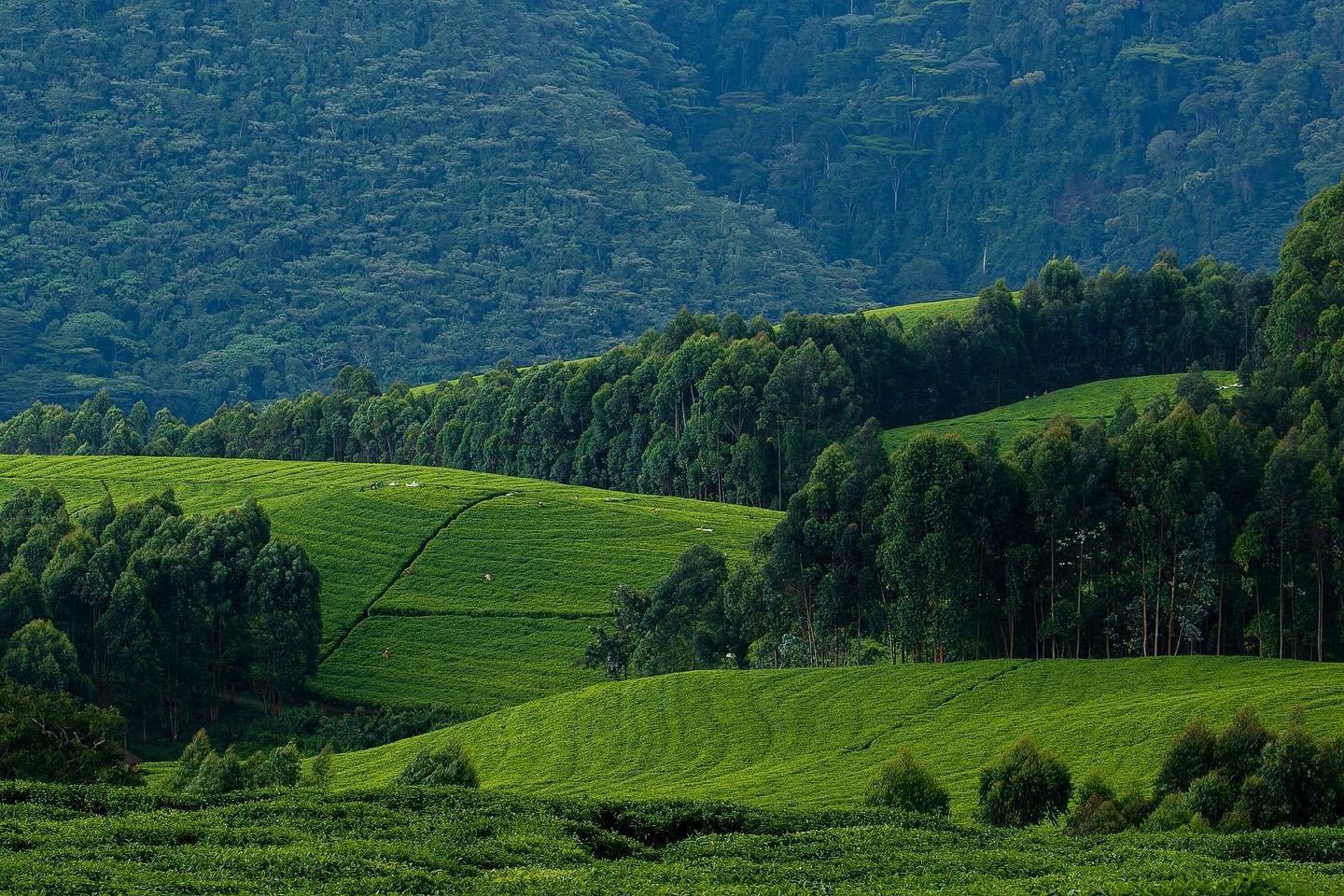
Landscape: Ancient tropical montane rainforest characterized by steep ridges, deep valleys, swamps, and bamboo thickets.
Size: Approximately 1,019 square kilometers.
Elevation: Ranges from 1,600 meters to 2,950 meters above sea level.
History: Established as a reserve in 1933 and upgraded to National Park status in 2004. In 2023, it was designated as a UNESCO World Heritage site due to its exceptional biodiversity and ecological importance.
Others Attractions
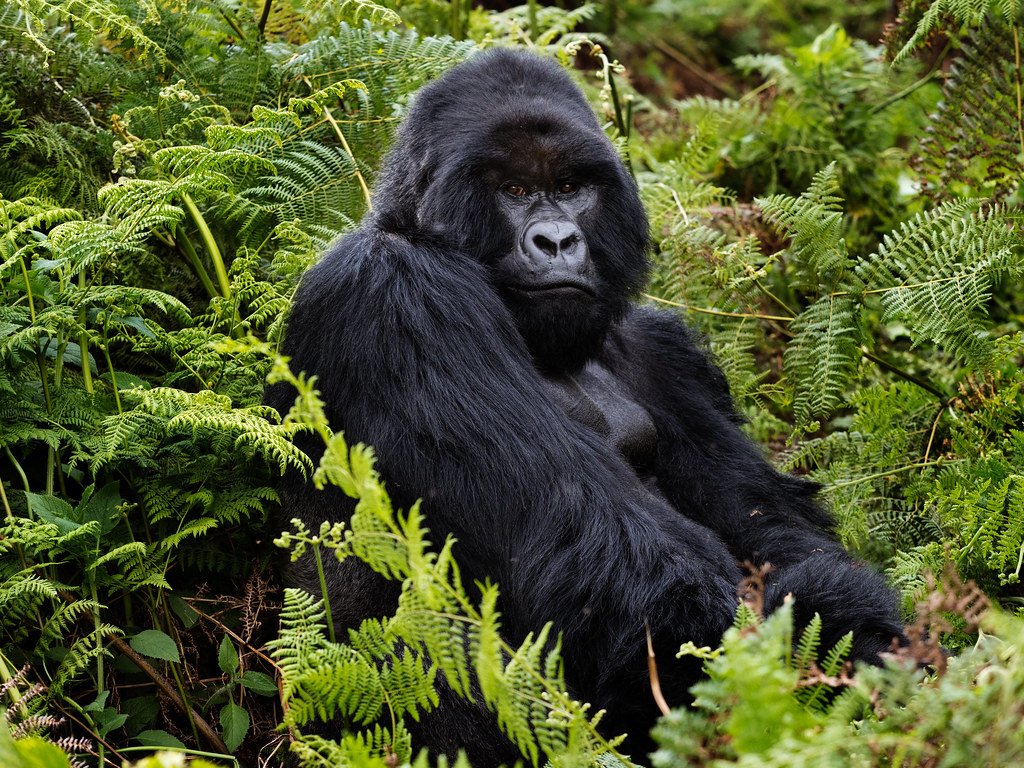
Volcanoes National Park
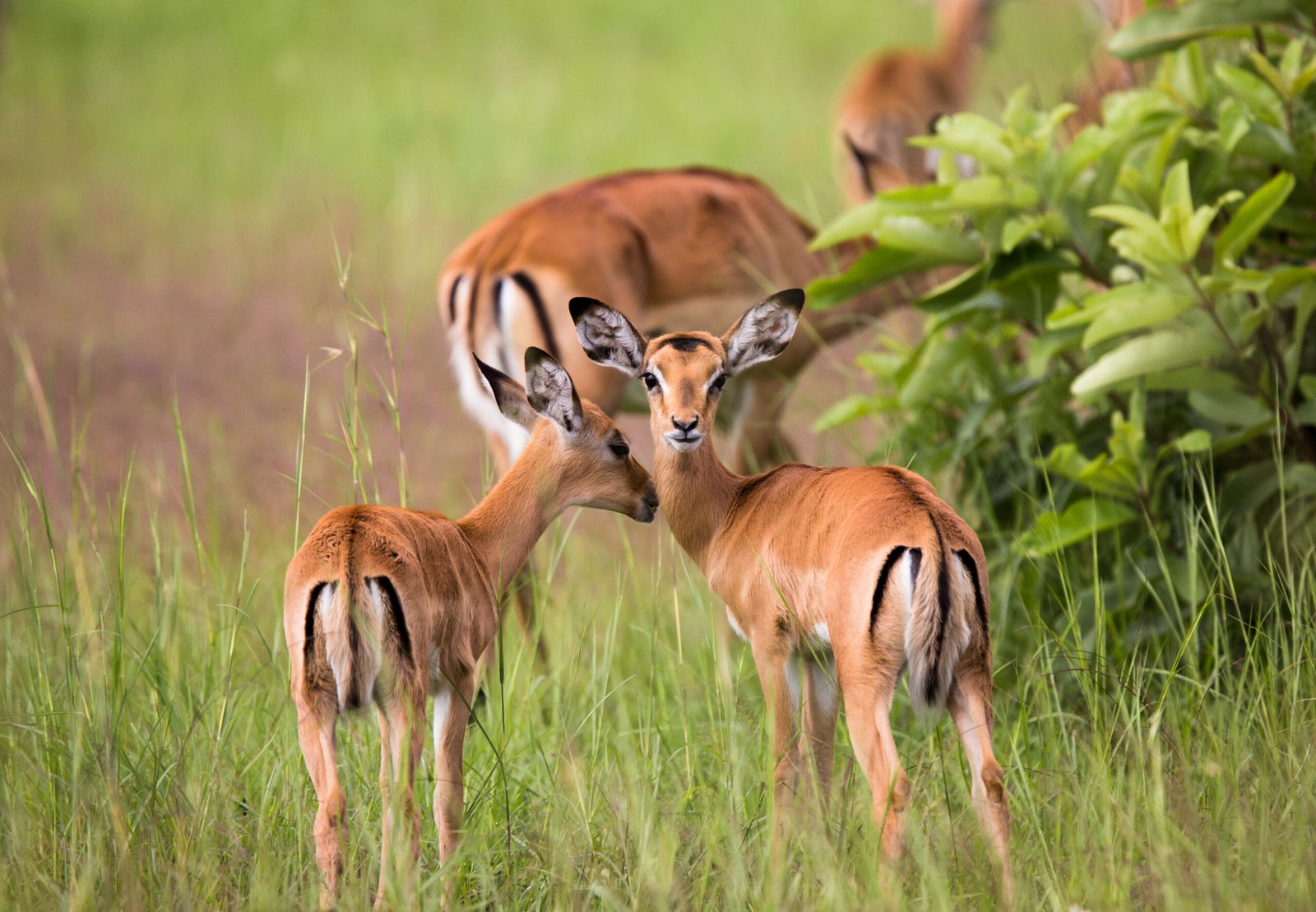
Akagera National Park
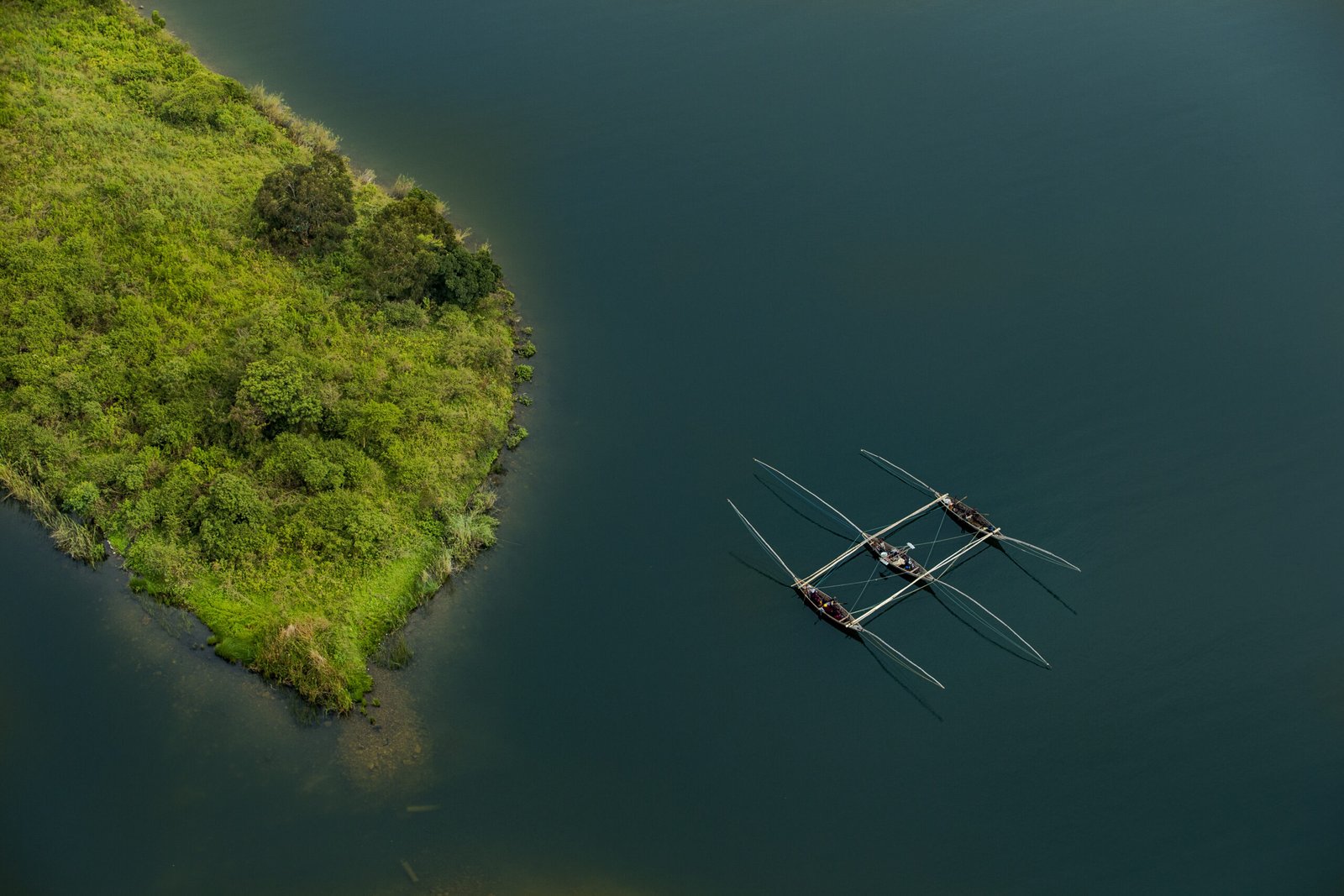
Lake Kivu Rwanda
Wildlife in Nyungwe Forest National Park
The park is a sanctuary for Albertine Rift endemics and holds one of the highest concentrations of primates on the continent.
Primate Species: 13 distinct species, including:
Common Chimpanzees: Found in the main Nyungwe forest and the detached Cyamudongo fragment.
Angolan Colobus Monkeys: Famous for their massive troops, sometimes numbering over 300 individuals.
L’Hoest’s Monkeys: Often seen foraging along the main road.
Owl-faced and Blue Monkeys: Rare and shy dwellers of the deep forest.
Birds: A premier birding destination with over 320 species, including 29 Albertine Rift endemics like the Great Blue Turaco and the Red-collared Babbler.
Mammals: Golden cats, servals, side-striped jackals, and several species of squirrels and mongooses.
Flora: Over 1,000 plant species, including 200 species of orchids and giant tree ferns.
Main Activities in Nyungwe Forest National Park
Nyungwe offers a diverse range of forest-based activities focused on trekking and observation:
Chimpanzee Trekking: Guided treks into the forest to locate habituated chimpanzee groups (starts early morning from Uwinka or Cyamudongo).
Canopy Walkway: A 60-meter-high suspension bridge offering panoramic views of the forest canopy and valley.
Primate Tracking: Specialized walks to find the Grey-cheeked Mangabey or the Colobus Monkey troops.
Hiking Trails: Over 13 established trails spanning 130 km, ranging from the easy Igishigishigi Trail to the strenuous three-day Congo-Nile Divide Trail.
Isumo Waterfall Trail: A scenic hike through tea plantations and rainforest leading to the park’s largest waterfall.
Birding Safaris: Specialist-led tours to identify rare endemics and forest specialists.
Best Time to Visit Nyungwe National Park Rwanda
Nyungwe is a tropical rainforest, meaning rainfall is possible any day of the year, but seasons influence trek difficulty:
Dry Season (June to August & December to January): The best time for hiking and the Canopy Walk. Trails are firmer, and chimpanzees are often easier to locate as they forage for ripening fruit.
Wet Season (September to November & February to May): Ideal for birdwatching as many species are in breeding plumage. Orchids are in full bloom. However, trails can be very slippery and steep.
How to Get To Nyungwe
By Road: Approximately a 5 to 6-hour drive from Kigali via Huye (Butare). The road is winding but fully paved and offers spectacular views of the “Land of a Thousand Hills.”
By Air: RwandAir operates daily 35-minute flights from Kigali International Airport to Kamembe Airport (Cyangugu). From Kamembe, it is roughly a 45-minute drive to the park’s western entrance.
Road Conditions: Travel within the park requires navigating the main highway that bisects the forest; private 4×4 vehicles or hired safari vehicles are recommended.
Who Nyungwe National Park Is Best For
Primate Enthusiasts: Those wanting to see more than just gorillas; Nyungwe is the “Primate Capital” of Rwanda.
Active Hikers: Travelers who prefer exploring on foot rather than sitting in a safari vehicle.
Birders: Serious bird watchers looking to tick off Albertine Rift endemics.
Nature Photographers: Those seeking lush, atmospheric landscapes and rare floral species.

Frequently Asked Questions About
Nyungwe National Park
As of 2026, the permit fee for international visitors is $150 per person. This includes the park entry fee and the services of an armed ranger-guide.
The trek is rated as moderate to difficult. Unlike gorillas, chimpanzees move quickly through the canopy and across steep terrain. You may spend 2 to 6 hours hiking, sometimes on slippery slopes.
Accommodation ranges from ultra-luxury at One&Only Nyungwe House to mid-range options like Nyungwe Top View Hotel and budget-friendly guesthouses in the nearby town of Gisakura.
No. Reaching the Canopy Walkway requires a hike on the Igishigishigi Trail, which takes about 1.5 to 2 hours round-trip. The trail is relatively easy but features some incline.
A minimum of 3 days/2 nights is recommended to allow for one chimpanzee trek and one other activity like the Canopy Walk or a birding trail.
Yes, the park is very safe. All activities are guided by professional rangers, and the region is well-patrolled.
Book Now