
Akagera National Park Rwanda
Home to Big Five Safaris
What is Akagera National Park known for?
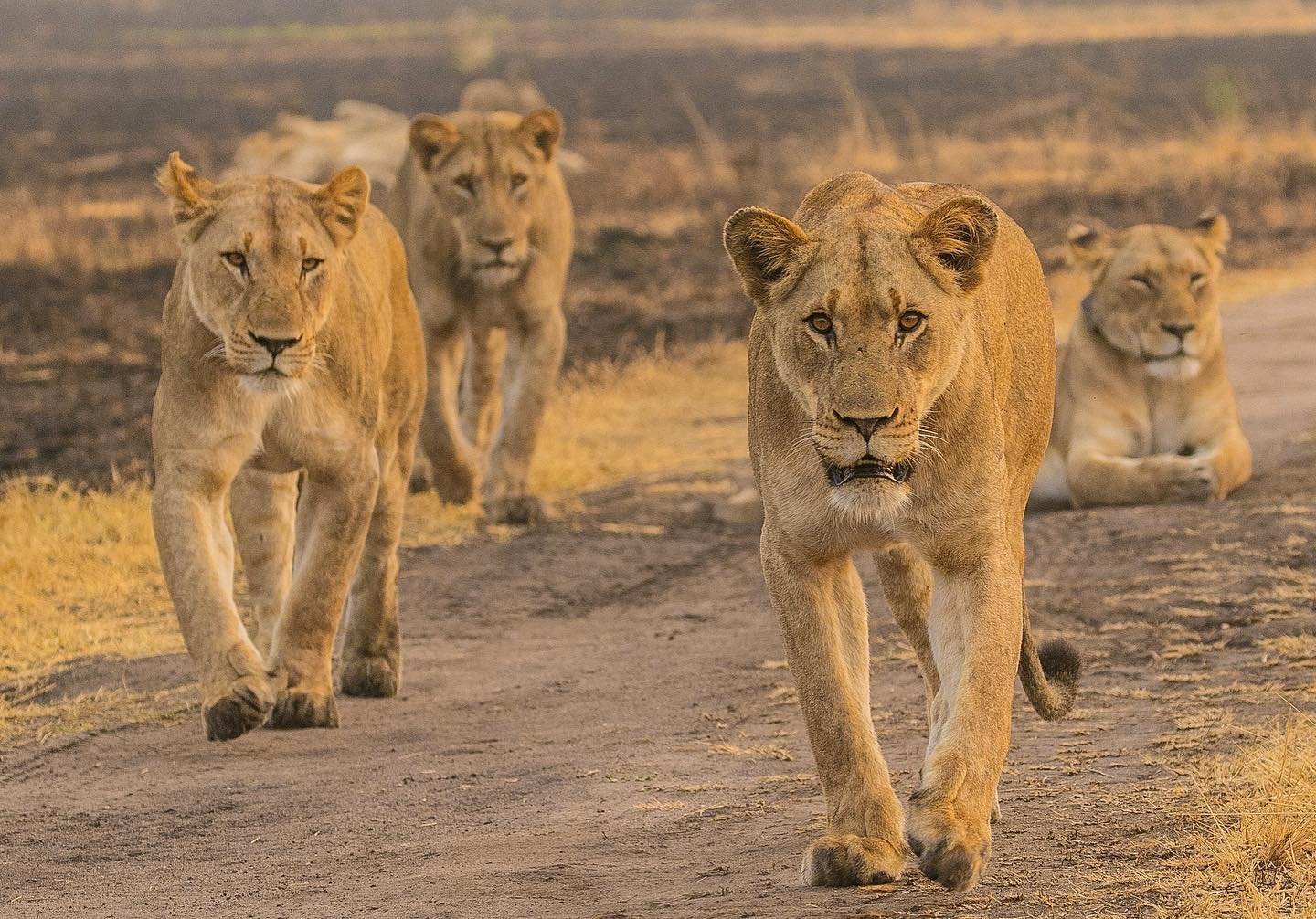
Akagera National Park is celebrated as Rwanda’s only savannah reserve and a premier destination for Big Five sightings. Managed through a successful partnership between the Rwanda Development Board and African Parks, it is known for its dramatic recovery of lion and rhino populations, its vast wetlands, and as one of the most scenic birding hotspots in East Africa.
About the Akagera National Park
Located in eastern Rwanda along the border with Tanzania, Akagera National Park represents one of the great conservation turnaround stories of the 21st century.
Location: Eastern Province, Rwanda.
Landscape: A diverse mosaic of open savannah plains, acacia woodlands, rolling hills, and a complex system of lakes and papyrus swamps.
Size: 1,122 square kilometers (approximately 433 square miles).
Elevation: Ranges from 1,286 meters to 1,718 meters above sea level.
History: Gazetted in 1934, the park was reduced by half in 1997 to accommodate returning refugees. Since 2010, management under African Parks has seen the reintroduction of lions (2015) and rhinos (2017 & 2021), restoring its Big Five status.
Others National Parks
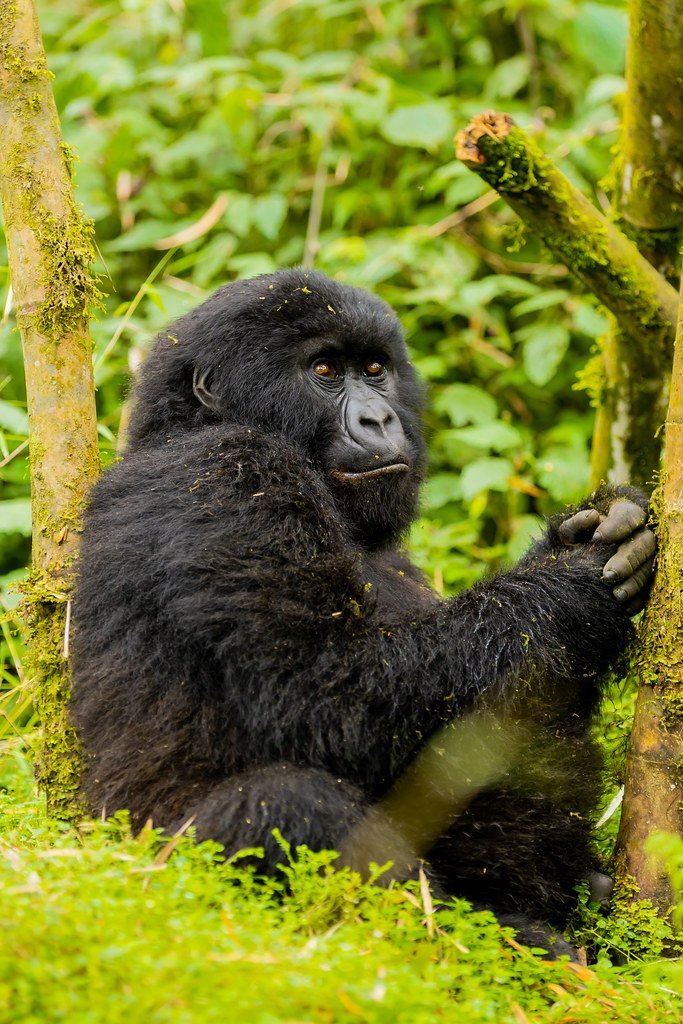
Volcanoes National Park
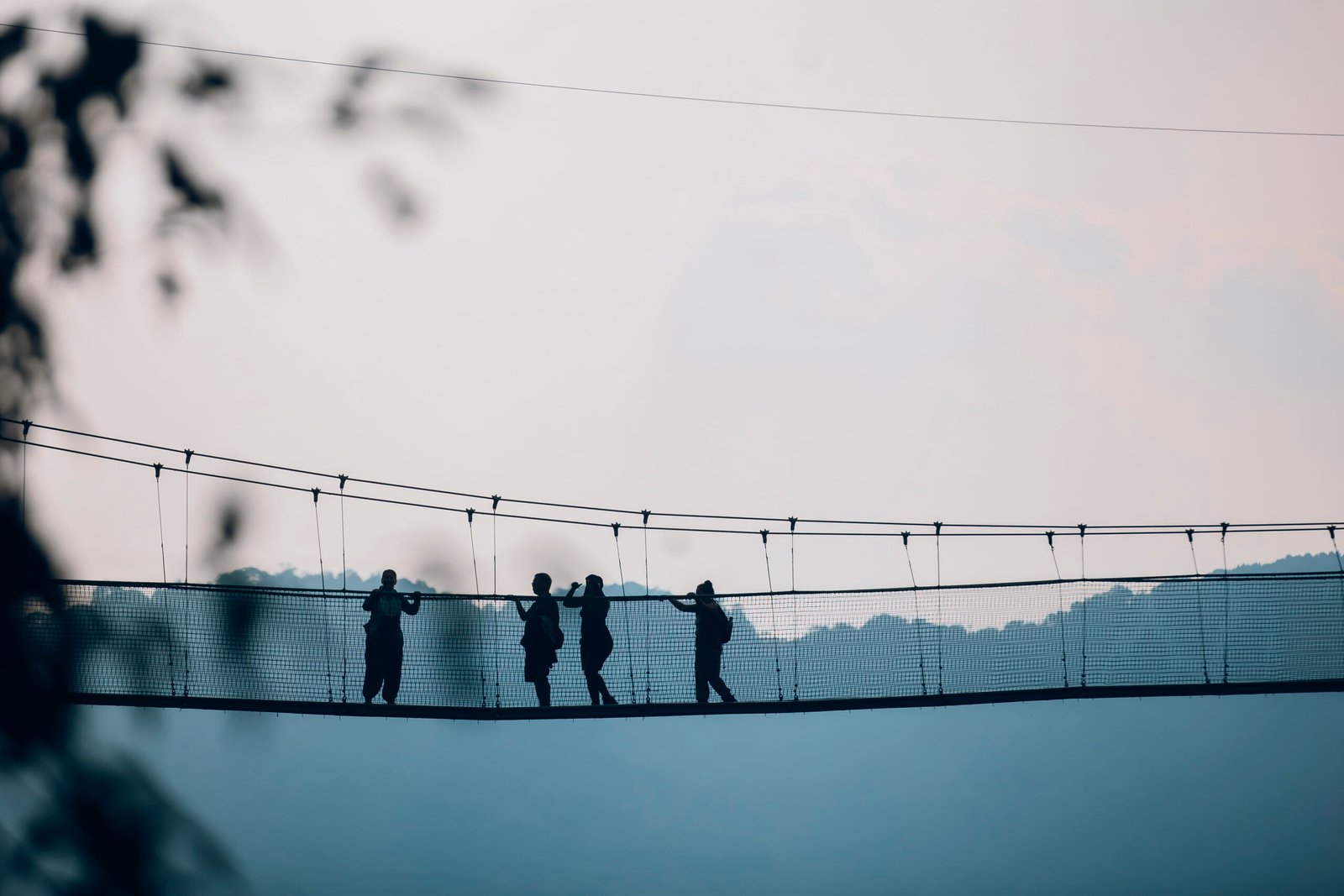
Nyungwe National Park
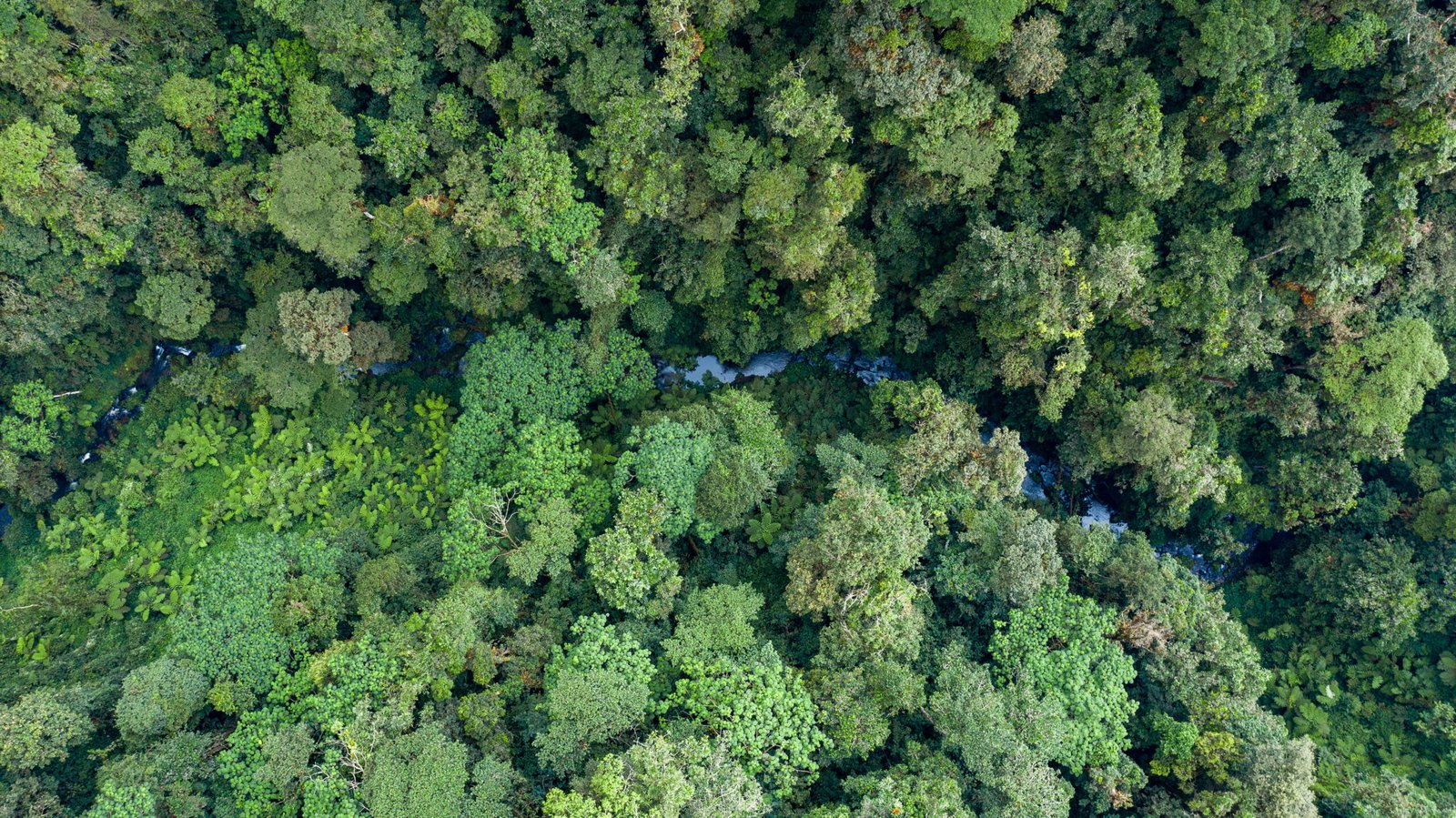
Gishwati Mukura National Park
Wildlife in the Akagera National Park
Akagera’s varied ecosystems support a wide array of wildlife, from aquatic species to large terrestrial mammals.
The Big Five: Thriving populations of lion, leopard, African elephant, Cape buffalo, and both eastern black and southern white rhinoceros.
Plains Game: High densities of Masai giraffe, Burchell’s zebra, hippo, and Nile crocodile.
Antelope Species: Notable sightings include the rare sitatunga, eland, topi, roan antelope, and impala.
Primates: Olive baboons, vervet monkeys, and occasional silver monkeys.
Bird Species: Over 490 recorded species, including the prehistoric Shoebill Stork, Papyrus Gonolek, and various raptors.
Main Activities in Akagera National Park
Game Drives: Guided morning, afternoon, and full-day drives to explore the northern plains and central woodlands.
Night Game Drives: A unique opportunity to spot nocturnal predators like leopards and hyenas using spotlights.
Boat Safaris: Explore Lake Ihema to see large pods of hippos, massive crocodiles, and waterbirds.
Fishing: Catch-and-release sport fishing on Lake Shakani (equipment not provided).
Walk the Line: A guided 7-km hike along the park’s perimeter fence with rangers to learn about anti-poaching and community conservation.
Behind the Scenes: A tour of the park’s headquarters to learn about the management, canine units, and tracking technology.
Best Time to Visit Akagera National Park
Akagera is a year-round destination, though wildlife viewing shifts with the rains:
Dry Season (June to September): The best time for game viewing. Vegetation is thinner, and animals congregate around the lakes and permanent water sources.
Short Dry Season (December to February): Excellent for general safari and easier navigation on park tracks.
Wet Season (March to May & October to November): Ideal for birdwatchers and photographers. The landscape is lush and green, though some tracks may require expert 4×4 driving.
How to Get To Akagera National Park
By Road: Approximately a 2.5 to 3-hour drive (110 km) from Kigali. The road to the main southern gate (Kayonza/Rwinkwavu) is well-paved tarmac, though the final 28 km and internal park roads are marram/dirt.
By Air: Akagera Aviation offers scheduled and charter helicopter transfers from Kigali International Airport, reducing the journey to a scenic 20-minute flight.
Entry/Exit: Entrance is strictly through the Southern Gate. The Northern Gate is currently used primarily for exit or for guests staying at Magashi Camp.
Who Akagera National National Park Is Best For
The “All-Rounder” Safari Guest: Those looking for a classic East African savannah experience without leaving Rwanda.
Birding Enthusiasts: Travelers seeking rare waterbirds and Lake Victoria-endemic species.
Families: The relatively short drive from Kigali and the boat safari make it accessible for younger travelers.
Self-Drive Adventurers: Travelers who enjoy navigating their own 4×4 through well-mapped African wilderness.

Frequently Asked Questions About
Akagera National Park
For international visitors, the entry fee is $100 for 1 day/night, $150 for 2 nights, and $200 for up to a week. Fees are reduced for East African residents ($50 for 1 day) and Rwandan citizens (15,000 RWF).
Yes. Since the reintroduction of lions and rhinos, Akagera is once again a Big Five destination. While elephants and buffalo are easily seen, leopards and rhinos (particularly black rhinos) require more patience and often a professional guide.
Options range from high-end luxury (Magashi Tented Camp) and mid-range lodges (Akagera Game Lodge, Ruzizi Tented Lodge) to rustic, well-maintained campsites for self-drive travelers.
Yes, a 4x4 is highly recommended, especially during the rainy season. While main tracks are well-maintained, the northern plains and side loops can become slippery and require high clearance.
While a day trip from Kigali is possible, a 2-night/3-day stay is ideal. This allow time for a boat safari in the south and a full-day game drive to the northern plains where most large predators are found.
Yes, Akagera is a self-drive friendly park. Visitors can pay their entry fees at the gate and explore the trails independently between 6:00 AM and 6:00 PM.
Book Now