
Akagera National Park Safari Guide
The Ultimate Akagera National Park Safari Guide (2026)
A safari in Akagera National Park offers one of the most surprising wildlife experiences in East Africa.
Just 2.5 hours from Kigali, this protected landscape reveals rolling savannah plains, shimmering lakes, and thriving wildlife. As Rwanda’s only Big Five safari destination, it provides a completely different experience from the country’s famous gorilla trekking adventures.
Yet Akagera is not simply a smaller version of parks like Serengeti or Masai Mara. Instead, it delivers something unique: a diverse safari landscape where savannah, wetlands, lakes, and forests meet in one ecosystem.
For travelers visiting Rwanda, it is the perfect place to experience classic African wildlife without leaving the country.
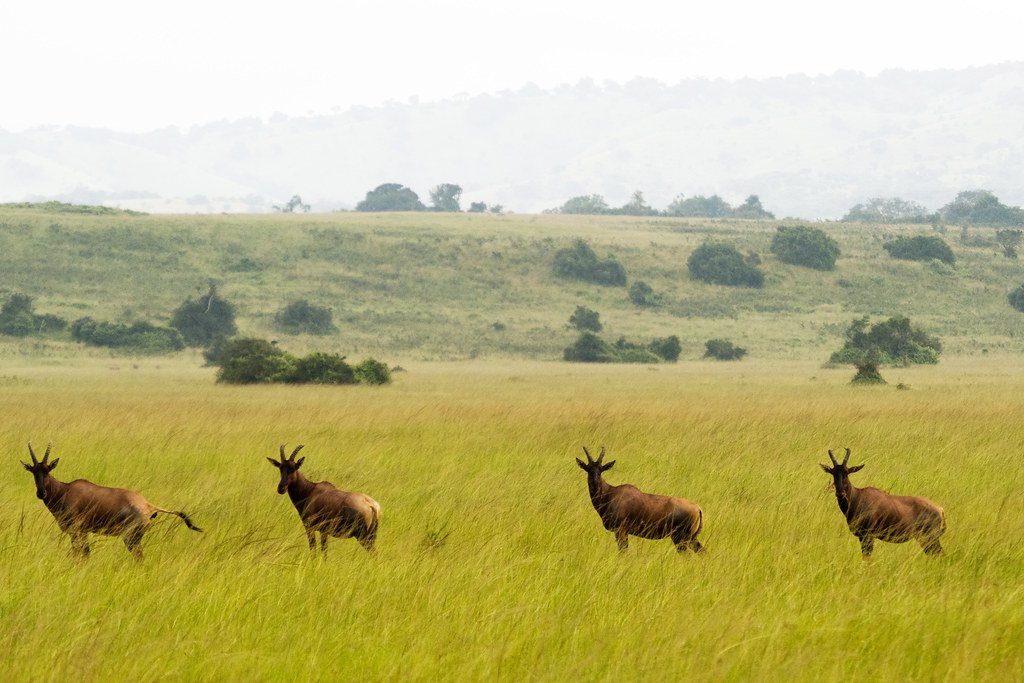
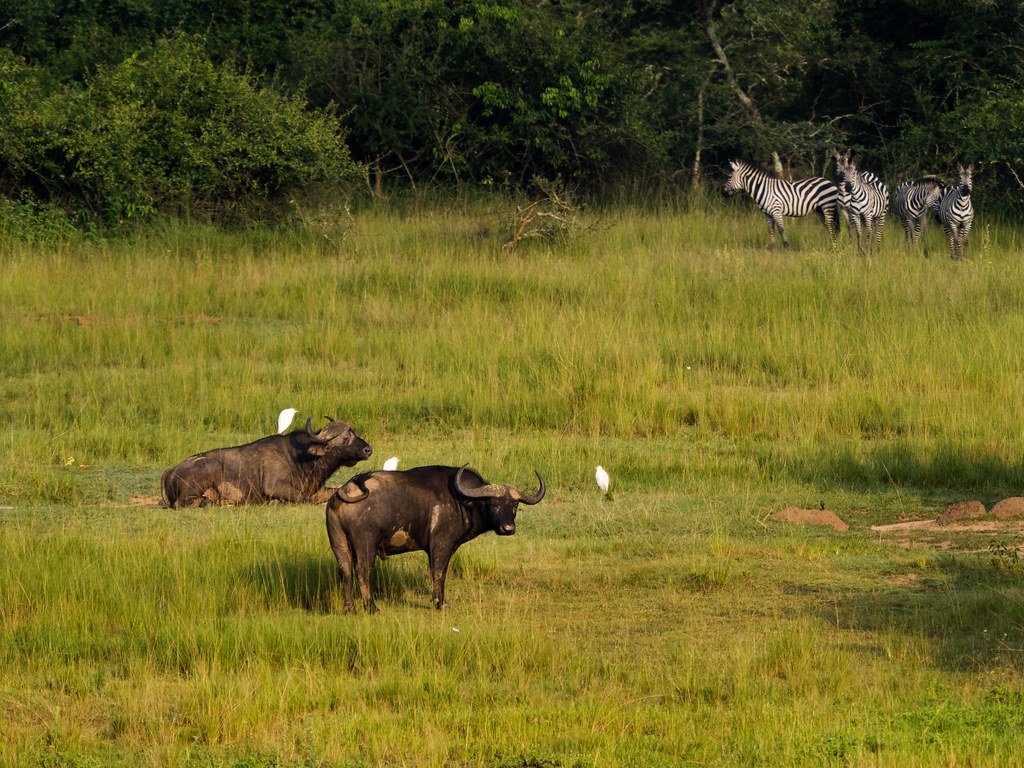
Overview of Akagera National Park
Located in eastern Rwanda near the Tanzanian border, Akagera National Park covers approximately 1,122 square kilometers of savannah plains, wetlands, lakes, and woodland.
The park is named after the Akagera River, which feeds a chain of lakes forming one of East Africa’s largest protected wetlands.
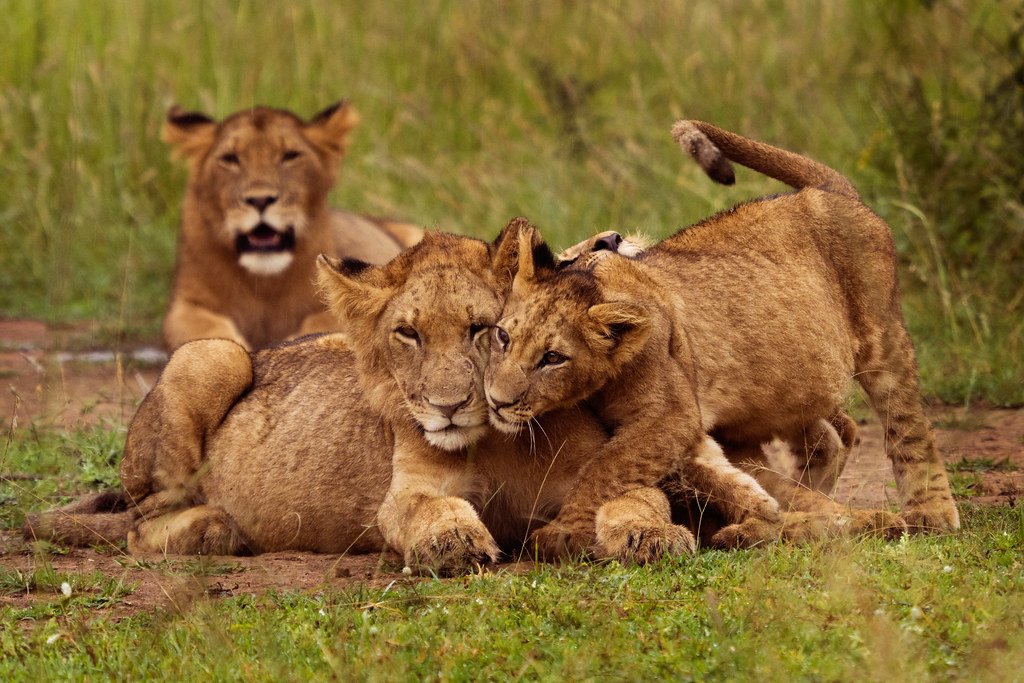
After years of conservation efforts, Akagera has become a remarkable wildlife success story. Lions were reintroduced in 2015, followed by black rhinos, restoring the park’s Big Five status.
Why Visit Akagera in 2026?
Akagera is a unique conservation success story. After the 1994 Genocide against the Tutsi, the park was nearly depleted. However, the reintroduction of Lions in 2015 and Black Rhinos in 2017 restored the ecosystem.
Unlike the crowded plains of the Masai Mara, Akagera offers a sense of “exclusive” wilderness. You can often drive for an hour without seeing another vehicle. This makes it a top choice for travelers seeking an intimate connection with nature.
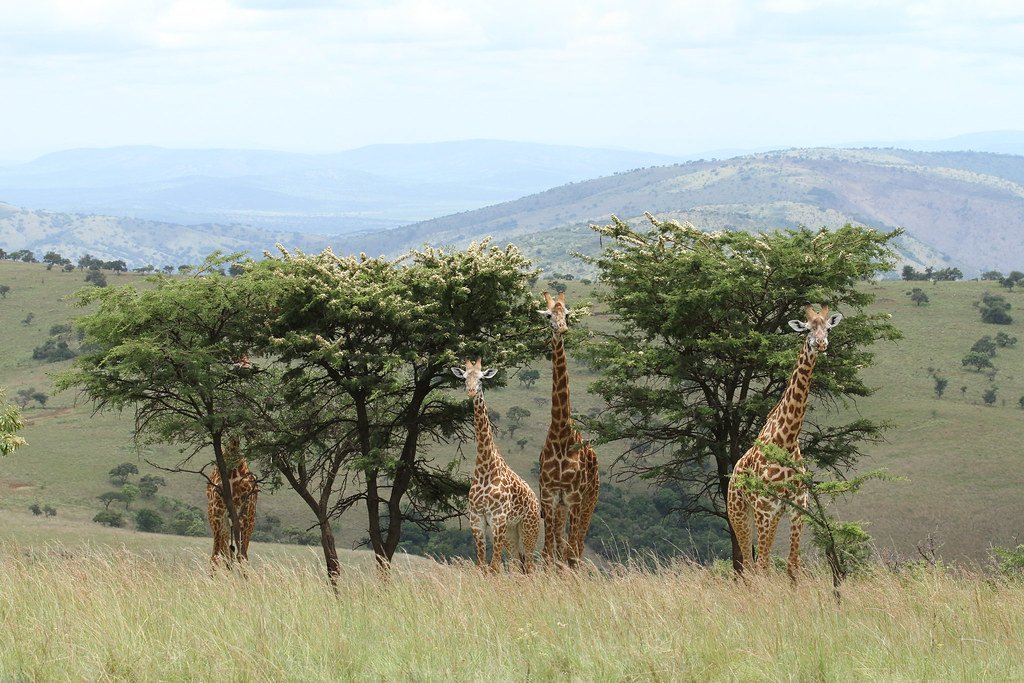
Top 2026 Safari Activities in Akagera National Park
1. Game Drives (Day and Night)
Standard game drives focus on the Big Five: Elephant, Buffalo, Lion, Leopard, and Rhino.
Expert Tip: Book a Night Game Drive (operated by the park). This is your best chance to see the elusive Leopard or nocturnal species like the Serval and Bushbaby.
2. Boat Cruise on Lake Ihema
This is a “must-do” activity. As Rwanda’s second-largest lake, Lake Ihema is home to massive concentrations of Hippos and Nile Crocodiles.
For Birders: Keep your binoculars ready for the African Fish Eagle and the prehistoric-looking Shoebill Stork.
3. Conservation Experiences
For those who want to look “under the hood,” the park offers:
Behind-the-Scenes Tour: Visit the park headquarters to learn about anti-poaching and canine units.
Walk the Line: A 7km guided hike along the perimeter fence with a park ranger.
Best Time to Visit Akagera National Park
Akagera can be visited year-round.
However, wildlife viewing is best during the dry seasons.
Best Months:
June – September
December – February
During these months, animals gather near water sources and vegetation is thinner, making wildlife easier to spot.
Meanwhile, the rainy seasons offer lush landscapes and excellent birdwatching.
2026 Akagera National Pricing and Permit Fees
As of early 2026, the Rwanda Development Board and African Parks have maintained a tiered pricing structure.
| Visitor Category | 1 Day/Night | 2 Days/Nights | 3+ Days/Nights |
| International Visitor | $100 | $150 | $200 |
| EAC Resident | $50 | $75 | $100 |
| EAC Citizen | RWF 15,000 | RWF 22,500 | RWF 30,000 |
Self-Drive Vehicle Fee: $10 for EAC-registered / $40 for Foreign-registered vehicles.
Boat Trip: $35 per person (Scheduled).
Night Drive: $40 per person.
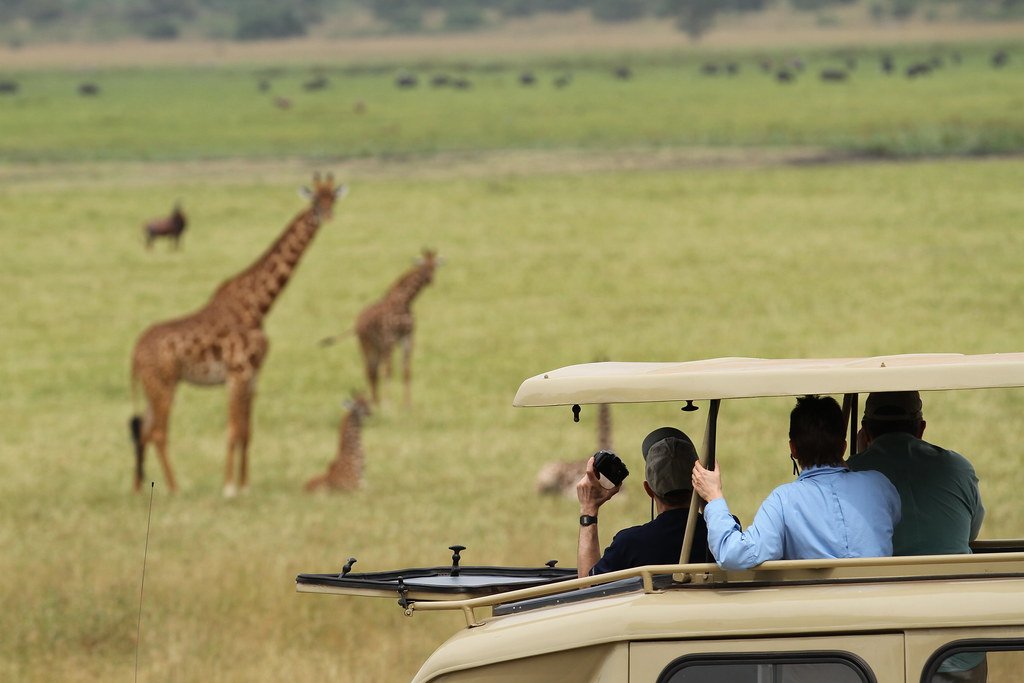
Travel Tips for Visiting Akagera
Fuel Up: There is no fuel station inside Akagera. Fill your tank in Rwamagana or Kayonza before entering.
4×4 Required: While the main roads are manageable, the tracks to the north and the Mutumba Hills require a high-clearance 4×4 vehicle, especially during the rains.
Tsetse Flies: They are present in the woodland areas. Wear neutral-colored clothing (khaki/green) and avoid dark blue or black, which attracts them.
Hiring a Guide: Even if you are self-driving, we highly recommend hiring a Community Freelance Guide ($25/half day) at the entrance. Their “bush telegraph” and spotting skills are invaluable.
Start your safari early: Wildlife sightings are best early in the morning, Late departures often miss the most active hours.
- Spend at least one night: A day trip is possible. However, a 2-day safari dramatically improves wildlife sightings.
Conclusion
A safari in Akagera National Park is one of Rwanda’s most rewarding wildlife experiences.
Although smaller than famous African reserves, the park offers remarkable diversity. Within a single day, travelers may encounter savannah wildlife, lakes full of hippos, and forests rich in birds.
Even better, Akagera lies only a few hours from Kigali, making it one of the most accessible safari destinations in Africa.
For travelers exploring Rwanda, it provides the perfect complement to gorilla trekking and primate adventures.
Akagera National Park Safari FAQs
1. Can you see the Big Five in Akagera National Park?
Yes, Akagera is a Big Five park. However, sightings are not as “guaranteed” as in smaller, fenced reserves in South Africa. Elephants and Buffalos are common. Lions are frequently seen in the north. Rhinos and Leopards are the most elusive and often require multiple game drives or a night drive to spot.
2. How far is Akagera from Kigali?
The drive from Kigali to the southern gate takes approximately 2.5 hours. The roads are paved and in excellent condition until you reach the park entrance. It is possible to do a “1-Day Akagera Safari,” but we recommend at least two days to see the northern sector.
3. Is Akagera National Park worth visiting?
Yes, Akagera National Park is absolutely worth visiting, especially for travelers exploring Rwanda. It is the country’s only Big Five safari destination, allowing visitors to see lions, elephants, rhinos, buffalo, and leopards. In addition, the park offers diverse ecosystems including savannah plains, lakes, and wetlands. While wildlife numbers are smaller than in Serengeti or Masai Mara, Akagera provides a scenic and accessible safari experience just a few hours from Kigali.
4. Do I need a guide for Akagera?
While you can self-drive, hiring a park guide is strongly recommended. They have real-time information on where the lions and rhinos were last spotted. They also help navigate the more technical tracks in the northern part of the park.
5. What is the best time for a safari in Akagera?
The dry seasons (June to September and mid-December to mid-February) are best. During these times, the vegetation is thinner, and animals congregate around the lakes. The rainy seasons (March to May) make the park lush and beautiful but can make some tracks slippery and harder to navigate.