
Volcanoes National Park Gorilla Trekking Guide
The Ultimate Volcanoes National Park Gorilla Trekking Guide
Few wildlife experiences on Earth compare to gorilla trekking in Volcanoes National Park.
Hidden in the misty mountains of northern Rwanda, this protected rainforest is home to the endangered mountain gorilla. Today, visitors travel from around the world to witness these gentle giants in their natural habitat.
However, gorilla trekking is more than a safari activity. It is an emotional wildlife encounter, a conservation success story, and often the highlight of a trip to East Africa.
This guide explains everything you need to know before planning your adventure.
An Overview of Volcanoes National Park
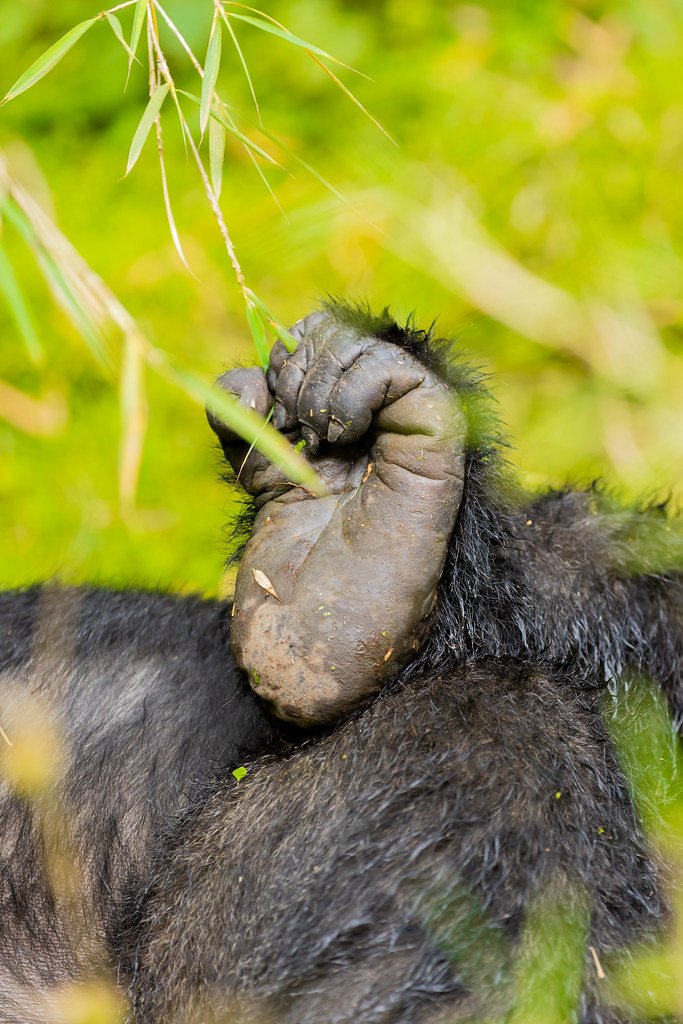
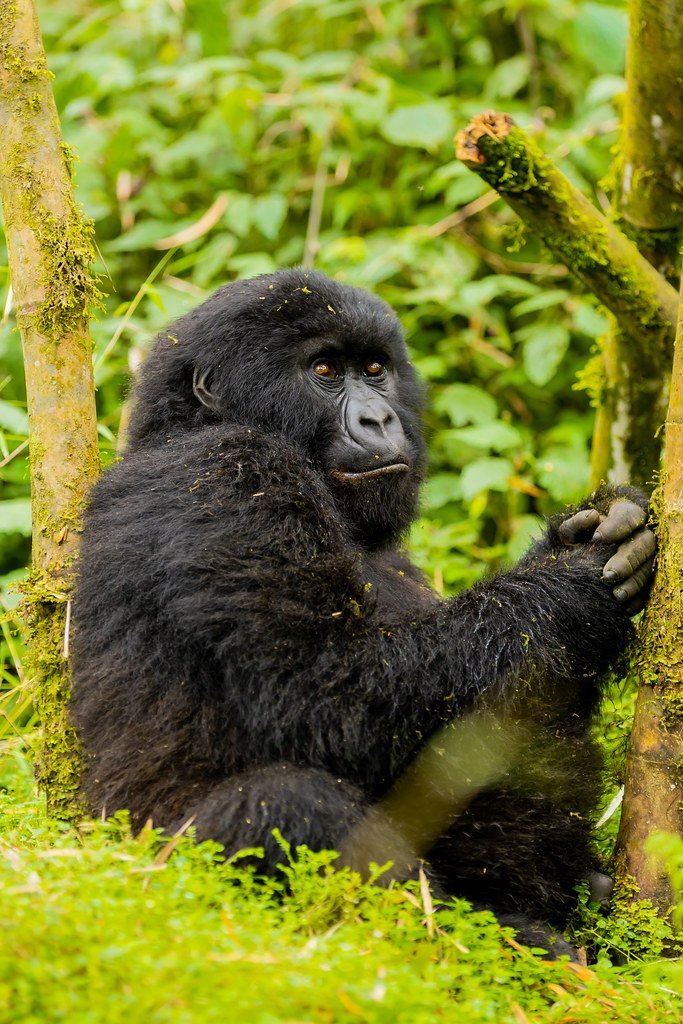
Located in northwestern Rwanda, this park is the oldest national park in Africa. It protects five of the eight volcanoes in the Virunga Mountains. Beyond the famous mountain gorillas, it is a sanctuary for the rare Golden Monkeys and the legacy of Dian Fossey.
The landscape is a dramatic tapestry of bamboo forests and open moorland. Because the park sits at high altitudes, the air is cool and the scenery is perpetually draped in mist.
What the Gorilla Trekking Experience Is Like
Morning Briefing and Trek Start
The experience begins early in the morning at the park headquarters in Kinigi.
Here, rangers give a briefing about:
Gorilla behavior
Trekking safety
Conservation rules
Afterward, small groups are assigned to specific gorilla families.
Each group has a maximum of eight visitors, which helps protect the gorillas from stress.
Entering the Forest
Soon after the briefing, guides drive visitors to the trailhead. From there, the hike begins through farmland and into dense forest.
The terrain can include:
muddy trails
bamboo forest
steep volcanic slopes
However, the trekking pace is adjusted to the group’s fitness level.
Finding the Gorillas
Park trackers leave early each morning to locate the gorilla families. They communicate with guides using radios.
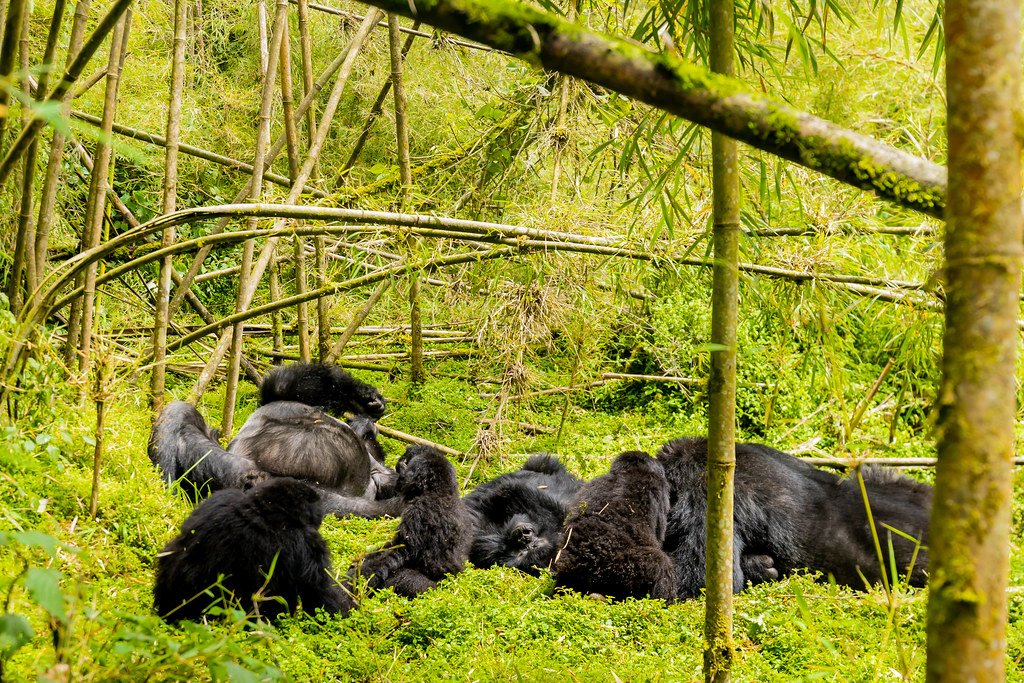
Once the group reaches the gorillas, visitors are allowed one unforgettable hour with them.
During this time you may witness:
juveniles playing
mothers caring for infants
the silverback watching over the group
Many travelers describe this moment as deeply emotional.
Gorilla Trekking Permits and Cost
A gorilla trekking permit in Rwanda costs $1,500 per person.
This permit includes:
park entry
professional ranger guides
conservation fees
Although the price is high, the revenue directly supports gorilla conservation and local communities.
Permits are limited and often sell out months in advance. Therefore, travelers should book early, especially during peak seasons.
Most visitors secure permits through tour operators, who manage the reservation process.
Best Time for Gorilla Trekking in Rwanda
Gorilla trekking is available year-round in Volcanoes National Park.
However, some seasons offer better hiking conditions.
Dry Seasons
June to September
December to February
These months typically have:
clearer trails
less rainfall
better photography conditions
Rainy Seasons
March to May
October to November
Although rain is more common, the forest becomes beautifully lush. In addition, visitor numbers are often lower.
How Difficult Is Gorilla Trekking?
The difficulty of gorilla trekking varies.
Some treks may last 1–2 hours, while others can take 4–6 hours depending on the gorilla family’s location.
The terrain includes:
high altitude (around 2,500–3,000 meters)
uneven trails
dense vegetation
However, guides adjust the pace carefully. In addition, porters are available to help carry bags or assist hikers.
For most travelers with moderate fitness, the trek is manageable.
Why Gorilla Trekking in Rwanda Is Unique
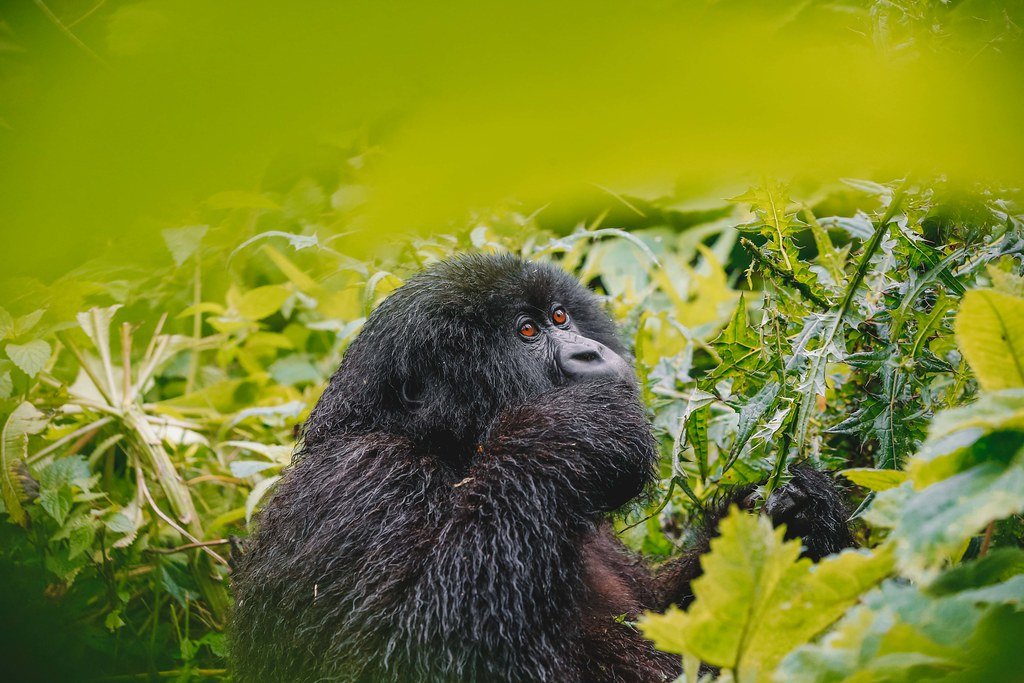
Several factors make Rwanda one of the best places in the world for gorilla trekking.
First, Volcanoes National Park is relatively compact, which often means shorter trekking distances compared to some other regions.
Second, Rwanda’s tourism infrastructure is excellent. Roads from Kigali to the park take only about 2.5 hours.
Finally, Rwanda has become a global leader in wildlife conservation and responsible tourism.
Conclusion
For many travelers, gorilla trekking in Volcanoes National Park becomes the most powerful moment of their African journey.
Standing quietly in the forest while a family of mountain gorillas moves nearby is a rare privilege.
Beyond the adventure, the experience directly supports conservation efforts that protect these incredible animals for future generations.
If you are planning a safari in Rwanda, this encounter should be at the top of your list.
Rwanda Gorilla Safari FAQs
1. How difficult is the gorilla trekking in Volcanoes National Park?
The difficulty varies greatly. Some groups are found within an hour of walking on relatively flat ground. Others require several hours of steep climbing through thick brush at high altitudes. We recommend a moderate level of fitness. Always communicate your physical limits to the rangers during the morning briefing.
2. Is gorilla trekking in Rwanda safe?
Yes, it is extremely safe. Each group is accompanied by armed park rangers and expert trackers. The mountain gorillas are “habituated,” meaning they are used to human presence and do not view us as a threat. Rwanda is also ranked as one of the safest countries in the world for international travelers.
3. What is the best time of year for a gorilla safari?
The standard permit price for international visitors is $1,500. However, in 2026, promotional rates of $1,050 are available during the low season (November–May) for those visiting multiple national parks. Residents of Africa and EAC citizens have further reduced rates of $500 and $200, respectively.
4. How many people visit a gorilla family each day?
Only eight visitors per day are allowed to visit each habituated gorilla family. This strict limit protects the animals from stress and disease. It also ensures that visitors enjoy a more intimate wildlife encounter.
5. Can I go Gorilla trek if I am sick?
No. Humans and gorillas share about 98% of their DNA. They are highly susceptible to human respiratory diseases. If you have a cold, flu, or other contagious illness, you will not be allowed to trek. This is a strict conservation rule to protect the endangered population.