
Best Time to Visit Rwanda for Gorilla Safari
Your Guide to the Best Time to Visit Rwanda for Gorilla Safari
Choosing the best time to visit Rwanda for gorilla safari is the most critical decision you will make in your travel planning. A mountain gorilla encounter is a life-changing event, but your experience depends heavily on the rhythm of the seasons in Volcanoes National Park.
While you can trek year-round, the “perfect” window depends on your priorities: Is it the easiest hike, the best photography light, or the most competitive 2026 permit pricing?
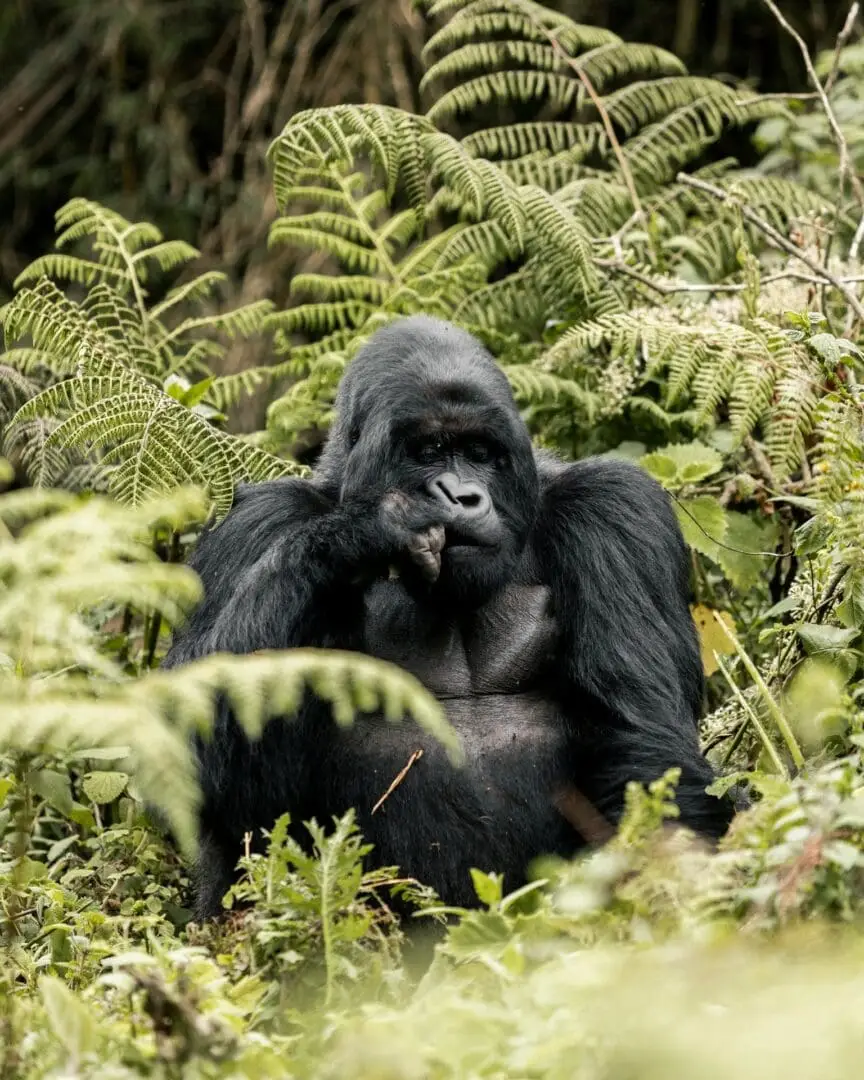
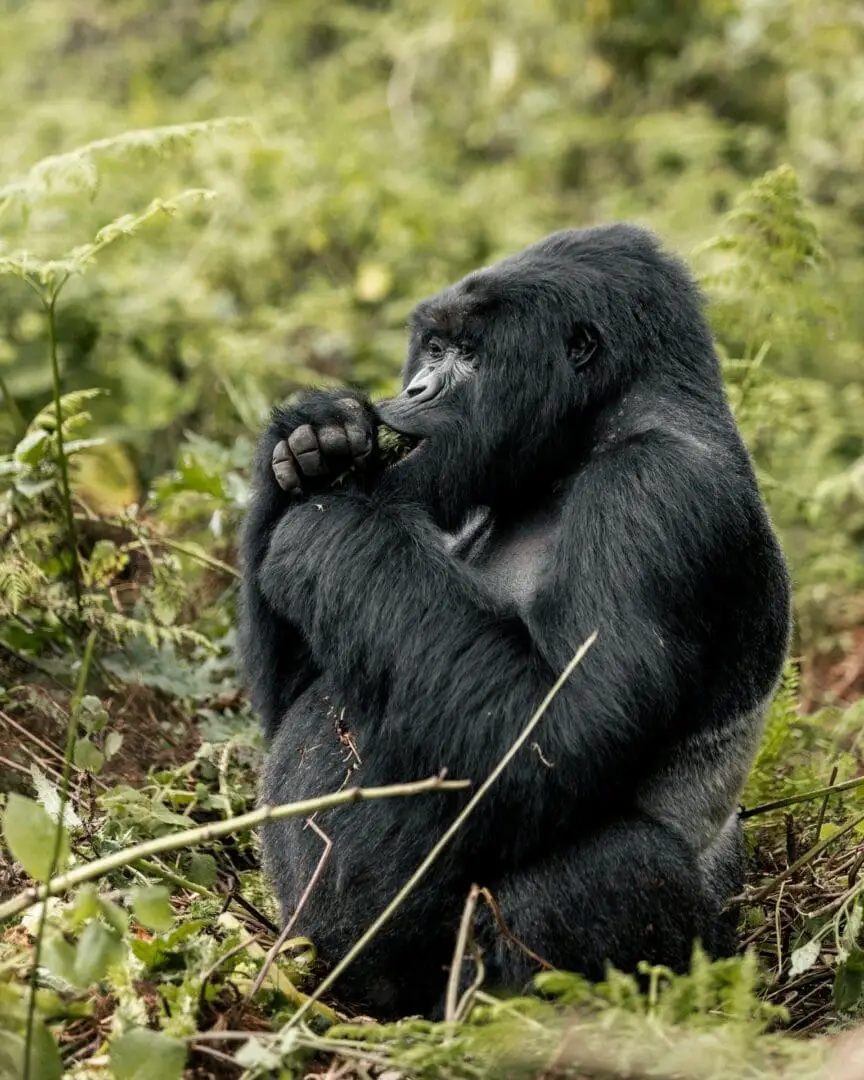
The Seasonal Breakdown: When to Trek in 2026
1. The Long Dry Season (June to September) – Best for Ease
This is the peak season for a reason. If you want the most predictable weather and the firmest trails, this is your window.
-
Trekking Conditions: Trails are dry, making the steep volcanic slopes manageable for most fitness levels.
-
Photography: Clearer skies provide excellent light for capturing the Silverback in the bamboo thickets.
-
Expert Tip: This is the busiest time. You must book your gorilla permits 6–12 months in advance.
-
Events: September features the Kwita Izina baby gorilla naming ceremony—a vibrant cultural highlight.
2. The Short Dry Season (Mid-December to February) – The “Sweet Spot”
Many travelers overlook this window, but it is often the most beautiful.
-
The Vibe: After the short rains of November, the landscape is a brilliant, lush emerald green.
-
Crowds: Slightly fewer people than in July, though Christmas week remains busy.
-
Weather: Expect bright mornings and pleasant temperatures ranging from 16°C to 27°C.
3. The Rainy Seasons (March to May & October to November) – The “Adventurer’s Choice”
Do not let the word “rainy” scare you away. In 2026, the Rwanda Development Board has extended significant incentives for these months.
-
The “Secret” Advantage: During the rains, mountain gorillas often descend to the lower slopes to feast on fresh bamboo shoots. This can result in much shorter treks.
-
2026 Pricing: International travelers can often access a discounted permit price of $1,050 (a $450 saving) if they visit other parks like Akagera National Park or Nyungwe Forest.
-
The Challenge: Trails are slippery. You will need high-quality waterproof gear and a good sense of adventure.
Month-by-Month Snapshot for 2026
| Month | Weather | Trekking Difficulty | Permit Demand |
| Jan – Feb | Dry/Lush | Moderate | High |
| Mar – May | Heavy Rain | Challenging (Muddy) | Low (Discounts available) |
| Jun – Aug | Very Dry | Easiest | Peak (Book early) |
| Sept | Dry/Light Rain | Moderate | High (Kwita Izina) |
| Oct – Nov | Short Rains | Moderate/Slippery | Medium |
| December | Dry | Moderate | High (Holiday Season) |
Essential Packing List for Rwanda Gorilla Safari
Footwear: Broken-in, waterproof hiking boots with good ankle support.
Leggings/Gaiters: To keep ants and mud out of your boots.
Clothing: Long-sleeved shirts and long trousers (neutral colors like khaki or green).
Rain Gear: A lightweight, breathable poncho or Gore-Tex jacket.
Protection: High-SPF sunscreen and insect repellent with DEET.
Conclusion
The best time to visit Rwanda for gorilla safari ultimately depends on your spirit. For the easiest hike and blue skies, aim for July or August. If you want a lush, misty atmosphere with the best permit value, November or May are incredible options for the savvy traveler.
Rwanda is a stable, safe, and breathtaking destination. Whether you stand in the sun or the mist, that first look into the eyes of a mountain gorilla will stay with you forever.
Rwanda Gorilla Safari FAQs
1. Is it worth trekking for gorillas in the rainy season?
Yes, absolutely. While the trails in Volcanoes National Park are muddier in April and May, there are two major benefits. First, the gorillas often move to lower altitudes to eat bamboo, which can make the hike shorter. Second, you can save $450 on your permit through the 2026 low-season discount if you combine your trip with other parks.
2. How far in advance should I book my 2026 gorilla safari?
For the peak dry months of June, July, and August, you should book 6 to 12 months in advance. Rwanda only issues 96 permits per day. These sell out rapidly. For the low season (March–May), 2–3 months is usually sufficient, but earlier is always safer to secure your preferred luxury lodge.
3. What is the permit price for Rwanda gorillas in 2026?
The standard permit price for international visitors is $1,500. However, in 2026, promotional rates of $1,050 are available during the low season (November–May) for those visiting multiple national parks. Residents of Africa and EAC citizens have further reduced rates of $500 and $200, respectively.
4. What should I wear for a gorilla trek in Rwanda?
You should wear long trousers and long-sleeved shirts to protect against stinging nettles and insects. Waterproof hiking boots are essential. We also strongly recommend gaiters and gardening gloves. Even in the dry season, the forest floor is damp, and the vegetation is thick.
5. Can I see other wildlife on a Rwanda gorilla safari?
Yes. Most travelers combine their trek with Golden Monkey tracking in the same park. You can also visit Akagera National Park for the Big Five (lions, leopards, rhinos, elephants, buffalo) or Nyungwe Forest for chimpanzee trekking and the famous canopy walk.