
Rwanda Cultural Tours
What are Rwanda Cultural Tours known for?
Rwanda Cultural Tours are known for offering immersive, community-led experiences that showcase the nation’s history, artistry, and resilience. They are celebrated for the Intore traditional dance, the restoration of the ancient monarchy’s heritage in Nyanza, and the successful integration of former poachers into conservation through the Iby’Iwacu (Gorilla Guardians) Village.
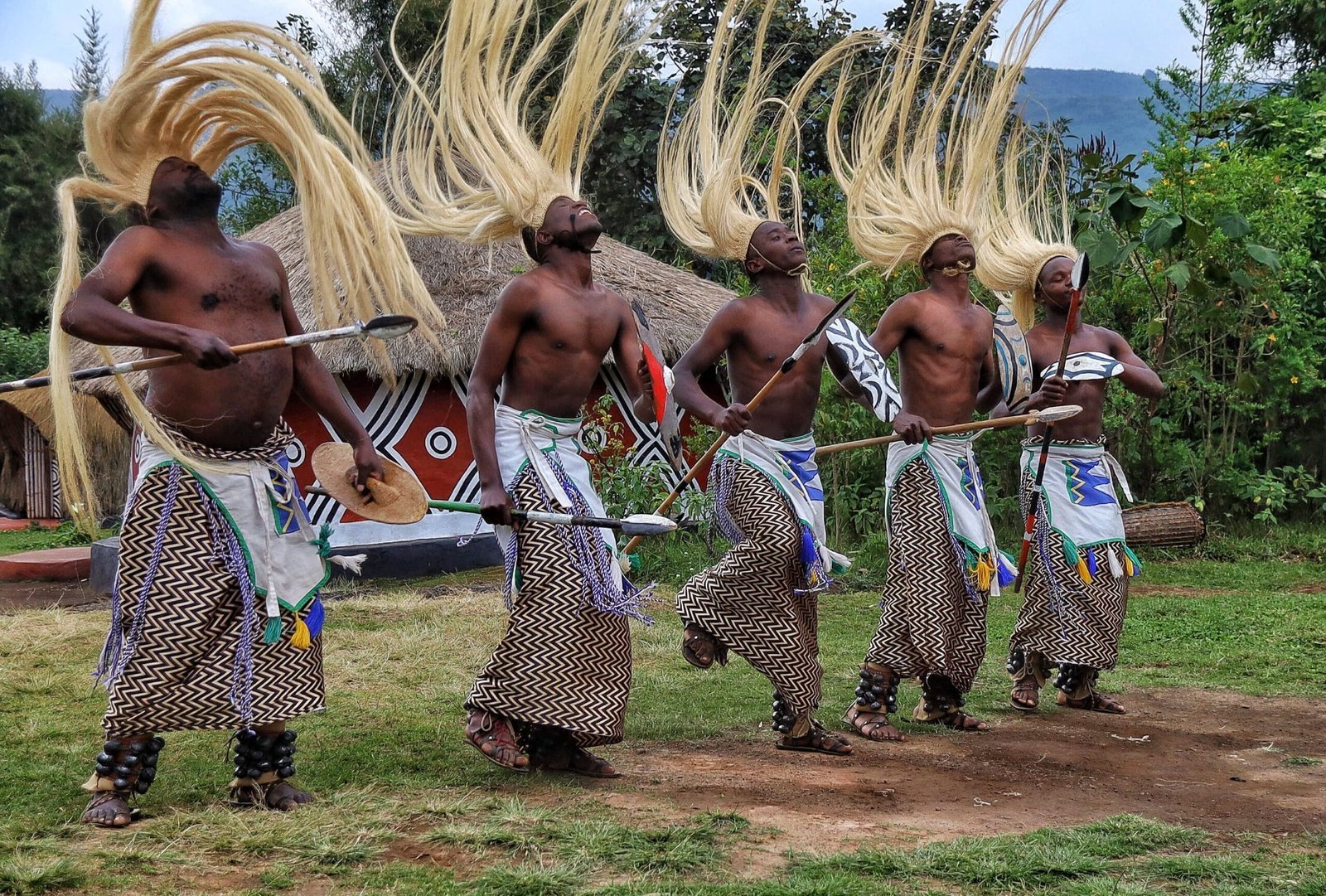
About Rwanda’s Cultural Landscape
While Rwanda is famous for its wildlife, its cultural landscape is equally compelling, rooted in a centuries-old monarchy and a modern spirit of reconciliation and “Agaciro” (dignity).
Location: Cultural sites are distributed across the country, with key hubs in Nyanza (Royal history), Huye (Ethnography), and Musanze (Community-based tourism).
Landscape: Experiences range from rural village settings and terraced hillsides to sophisticated museums in historic towns.
History: Rwandan culture revolves around the Umuco (culture) of the pre-colonial kingdom, the tragic history of the 1994 Genocide against the Tutsi, and the subsequent era of national unity and development.
Others Attractions
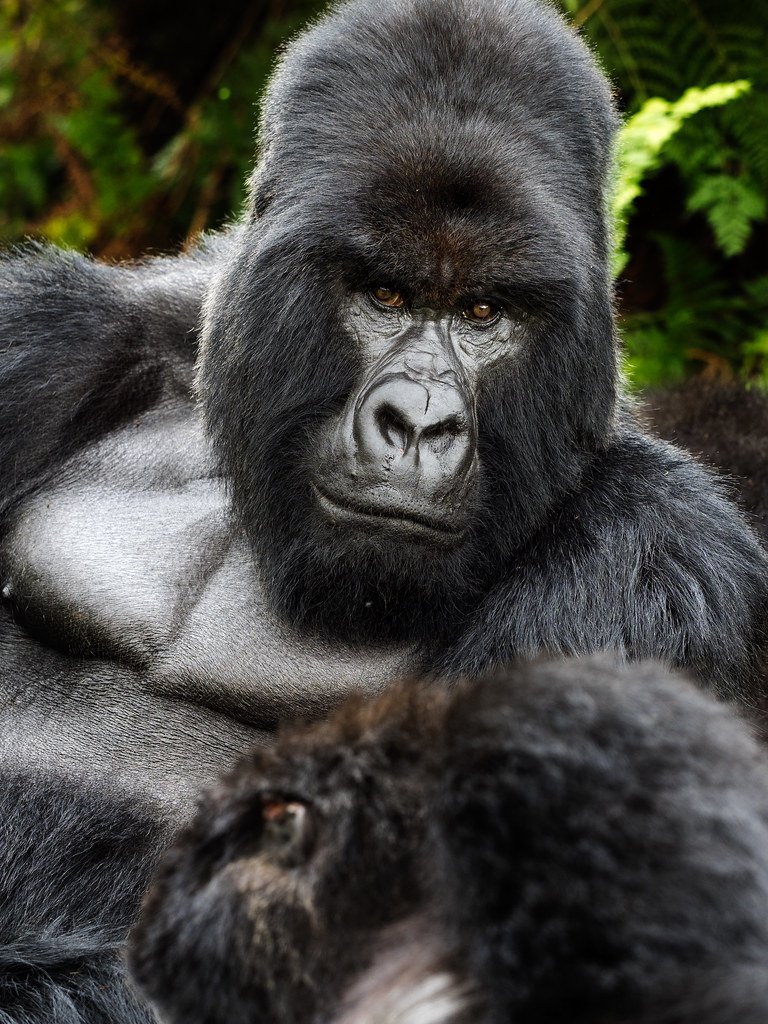
Volcanoes National Park
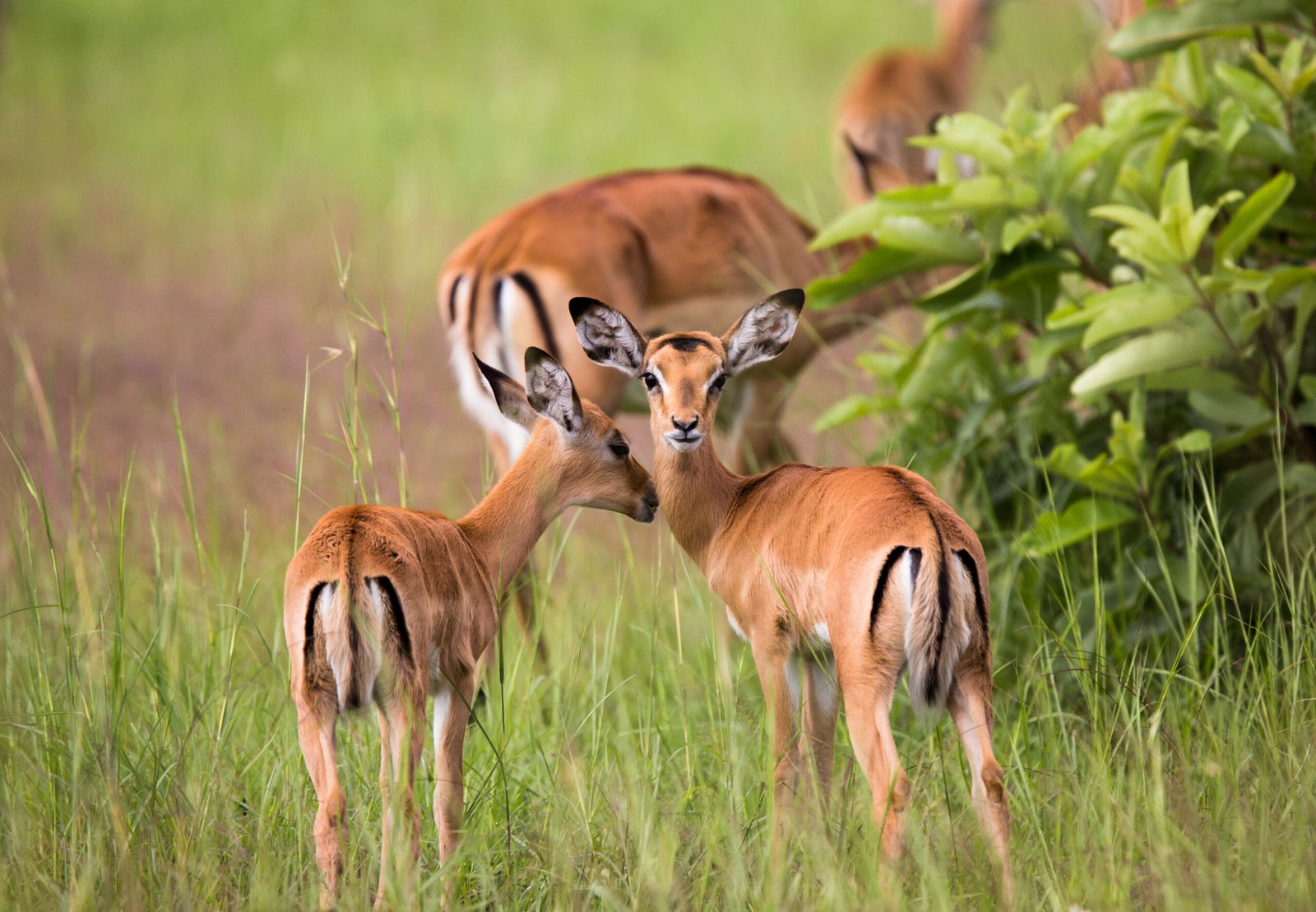
Akagera National Park
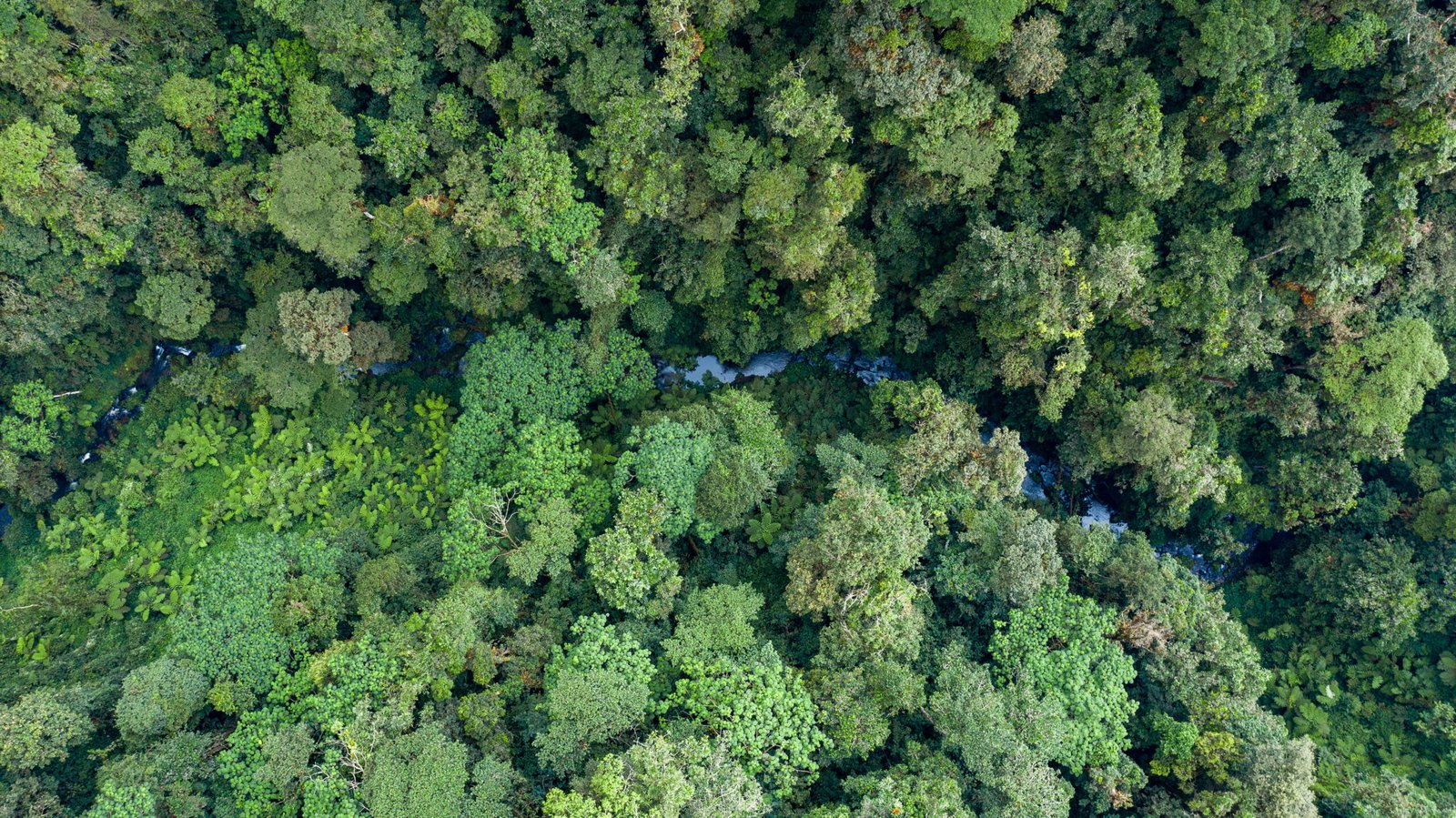
Nyungwe National Park
Key Rwanda Cultural Activities
In the context of cultural tourism, “species authority” refers to the livestock and crafts central to Rwandan identity.
Inyambo Cattle: Royal long-horned cows found at the King’s Palace. They are central to Rwandan ritual, known for their grace and the traditional “cow songs” performed by their keepers.
Intore Dancers: The “Elite” dancers, historically performing for the Royal Court, characterized by their rhythmic footwork and flowing headpieces.
Agaseke Baskets: Iconic hand-woven peace baskets, recognized globally as a symbol of Rwandan craftsmanship and reconciliation.
Imigongo Art: Unique geometric art made from cow dung, traditionally used to decorate huts and now a staple of Rwandan interior design.
Main Cultural Attractions
A structured approach to experiencing Rwanda’s heritage:
Gorilla Guardians Cultural Village (Iby’Iwacu): Located near Volcanoes National Park, this community project demonstrates traditional medicine, archery, and marriage ceremonies.
King’s Palace Museum (Nyanza): A reconstruction of the traditional royal residence, featuring the sacred Inyambo cattle and historical insights into the Rwandan monarchy.
Ethnographic Museum (Huye): One of Africa’s finest collections of archaeological and anthropological artifacts, detailing the evolution of Rwandan lifestyle.
Community-Led Experiences: Activities like Azizi Life offer “Day in the Life” experiences hoeing fields, weaving baskets, and cooking traditional meals with local families.
Genocide Memorials: Essential visits to the Kigali Genocide Memorial or Murambi to understand Rwanda’s journey from tragedy to recovery.
Umuganda (Community Work): Participating in the national day of community service (last Saturday of every month) for a truly local perspective.
Best Time for Rwanda Cultural Tours
Year-Round: Unlike wildlife tracking, cultural tours are not weather-dependent and are excellent throughout the year.
Dry Seasons (June–September): Ideal for outdoor festivals and rural village visits where walking on unpaved paths is required.
Kwita Izina (September): The annual Gorilla Naming Ceremony is the peak of Rwanda’s modern cultural calendar, blending conservation with massive celebrations.
Logistics & Accessibility
From Kigali: Most major cultural sites (Nyanza, Huye) are 2 to 3 hours from the capital on excellent paved roads.
Musanze Hub: Cultural visits are often paired with gorilla trekking, as many villages are situated just outside the park boundaries.
Transportation: While public buses reach major towns, private safari vehicles or taxis are recommended for reaching rural community projects.
Who Rwanda Cultural Tours Are Best For
Conscious Travelers: Those looking to ensure their tourism dollars directly benefit local communities.
History Enthusiasts: Travelers wanting to understand the complex social fabric of East Africa.
Families: Cultural villages provide interactive, educational experiences that are highly engaging for children.
Post-Safari Visitors: An excellent way to balance the physical exertion of trekking with reflective, educational visits.
Frequently Asked Questions About
Volcanoes National Park
Entry fees for national museums (like the King's Palace) are approximately $10–$15 for international visitors. Community-led experiences like the Gorilla Guardians Village usually cost around $35, while full-day immersive craft workshops (Azizi Life) range from $70 to $100.
While museums have on-site guides, hiring a professional cultural guide for community visits is highly recommended to bridge the language gap and provide deeper context into social norms.
Formerly known as Iby’Iwacu, it is a village where former poachers have turned into conservationists. They demonstrate traditional Rwandan life to tourists, using the income to support their families instead of poaching in the park.
Yes. If you are in Rwanda on the last Saturday of the month (08:00–11:00), you can join locals in community cleaning or construction projects. It is a unique way to experience the national spirit of Ubumwe (Unity).
To see the main sites (Nyanza, Huye, and a Musanze village), 2 to 3 days is ideal. Many travelers integrate 1-hour cultural stops into their existing wildlife itineraries.
Look for Agaseke baskets, Imigongo paintings, and Rwandan specialty coffee or tea. Purchasing these at community cooperatives ensures the proceeds go directly to the artisans.
Book Now