
Lake Kivu Rwanda
What is Lake Kivu known for?
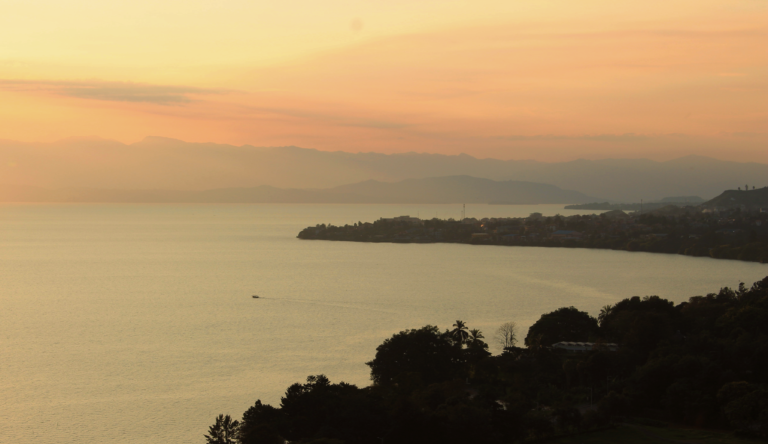
Lake Kivu is known as Rwanda’s largest body of water and one of Africa’s Great Lakes. It is celebrated for its scenic beauty, safety for swimming (being free of hippos and crocodiles), and its vibrant resort towns like Rubavu and Karongi. It is a hub for water sports, the Congo Nile Trail, and unique island-hopping excursions.
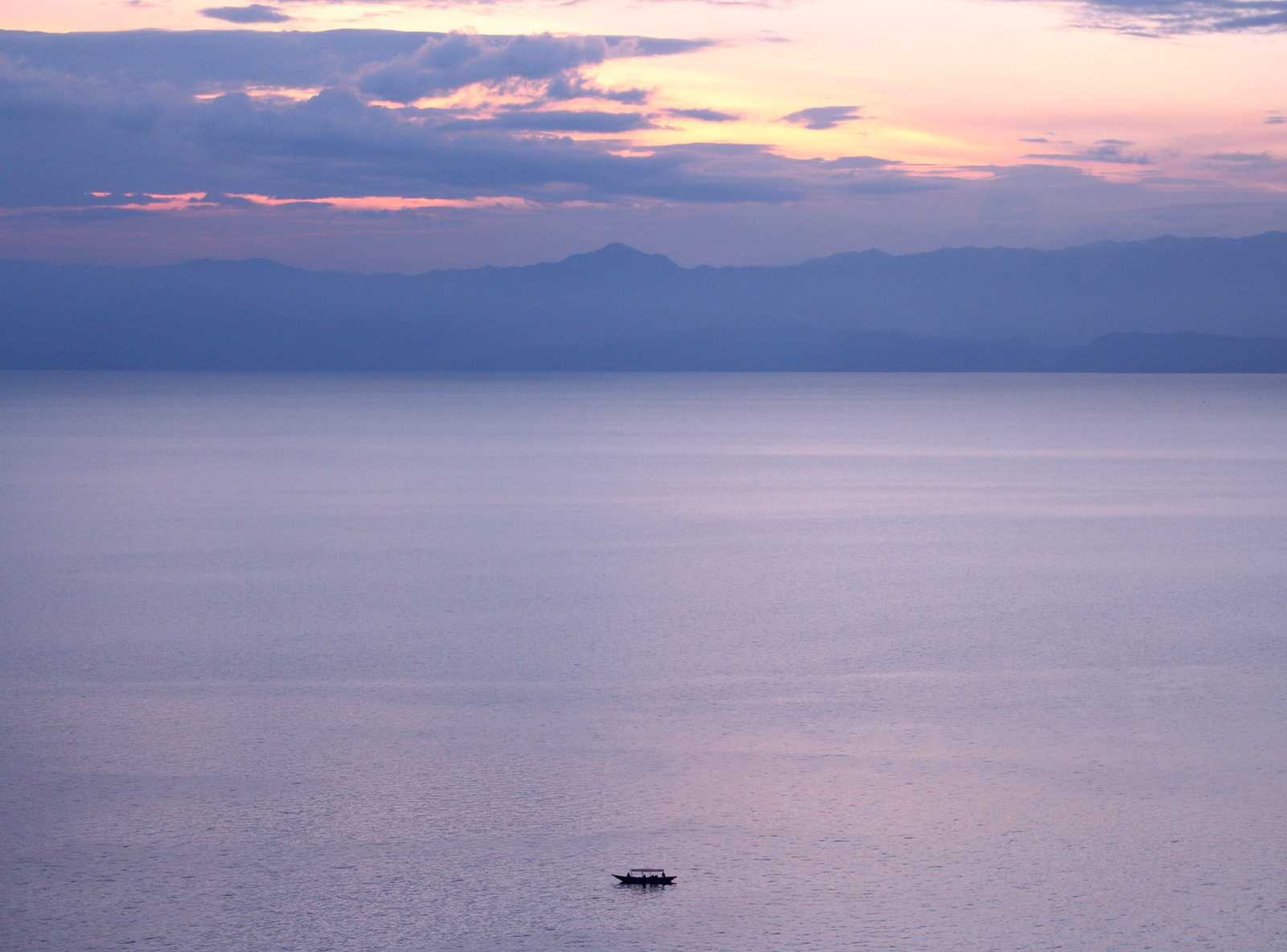
About Lake Kivu Rwanda
Lake Kivu is a freshwater lake situated on the border between Rwanda and the Democratic Republic of the Congo, sitting within the Albertine Rift.
Location: Western Province of Rwanda.
Landscape: A dramatic “inland sea” surrounded by terraced hills and steep mountains. The shoreline is deeply indented with numerous bays, inlets, and uninhabited islands.
Size: Approximately 2,700 square kilometers (1,040 sq miles).
Elevation: 1,460 meters above sea level.
History: Formed as part of the Great Rift Valley, the lake is deep (up to 480 meters). It is geologically unique due to its high concentrations of dissolved methane and carbon dioxide trapped in its deep layers a resource Rwanda now harvests for electricity.
Others Attractions
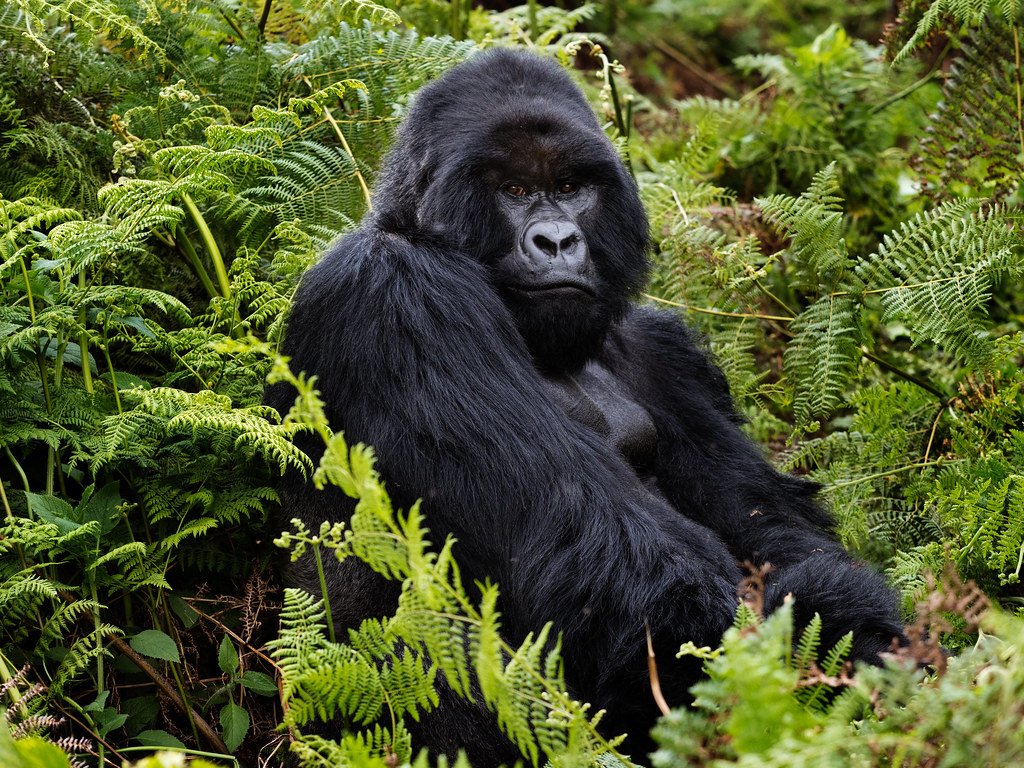
Volcanoes National Park
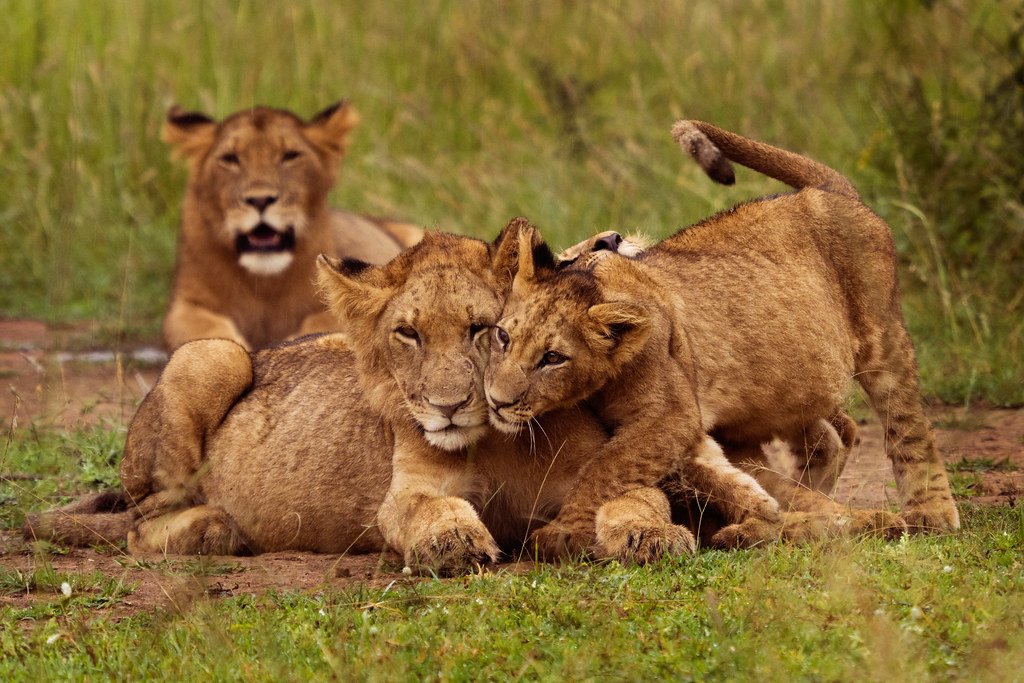
Akagera National Park
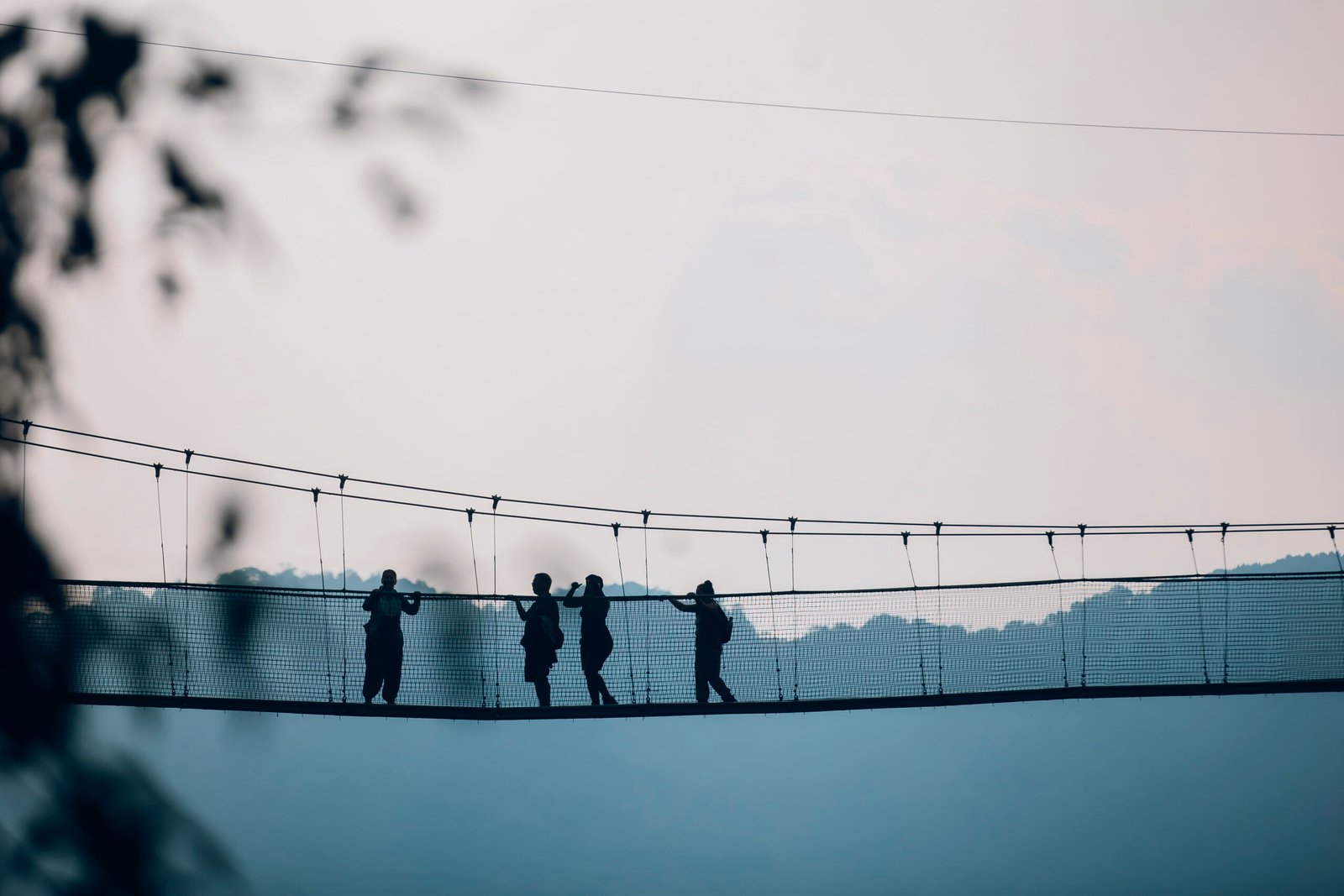
Nyungwe National Park
Wildlife in the Lake Kivu Rwanda
While not a traditional “Big Five” destination, Lake Kivu hosts a specialized aquatic and avian ecosystem.
Avifauna: A birdwatcher’s paradise featuring Pied Kingfishers, African Fish Eagles, Great White Pelicans, and various herons.
Aquatic Life: The lake is home to nearly 30 species of fish, including the Isambaza (a small sardine-like fish) and Tilapia, which are local culinary staples.
Island Residents: Napoleon Island is famous for its massive colony of straw-colored fruit bats, while other islands host vervet monkeys and spotted-necked otters.
Main Activities at Lake Kivu Rwanda
Lake Kivu offers a mix of high-energy adventure and deep relaxation:
Boat Safaris & Island Hopping: Visit Napoleon Island (for bat watching and hiking) or Amahoro Island for a quiet lunch.
The Congo Nile Trail: A 227-km trail for hikers and mountain bikers that runs along the lake’s eastern shore from Rubavu to Rusizi.
Kayaking and Canoeing: Especially popular in the calm waters of Karongi (Kibuye) at sunset.
Coffee Tours: Visit lakeside plantations to see the “bean to cup” process in the fertile volcanic soils of the Kivu belt.
Singing Fishermen Experience: At dusk, traditional three-hull fishing boats (rimba) head out with rhythmic chants and lanterns—a spectacular sight from the shore.
Best Time to Visit Lake Kivu Rwanda
Dry Seasons (June to September & December to February): Ideal for the Congo Nile Trail and water sports. The water is calm, and the skies are clear for photography.
Wet Seasons (March to May & October to November): The landscape is vibrantly green, and hotels are less crowded. Afternoon thunderstorms are common but usually pass quickly, leaving stunning mist over the mountains.
How to Get There
Lake Kivu is accessible via three main “hub” towns, each connected to Kigali by paved roads:
To Rubavu (Gisenyi): A 3.5-hour drive from Kigali or 1 hour from Volcanoes National Park. This is the northernmost point.
To Karongi (Kibuye): A 3-hour drive from Kigali. This is the most scenic part of the lake with the most islands.
To Rusizi (Cyangugu): A 5-6 hour drive from Kigali or 1 hour from Nyungwe National Park.
Domestic Flights: RwandAir operates flights from Kigali to Kamembe Airport (Rusizi).
Who Lake Kivu Is Best For
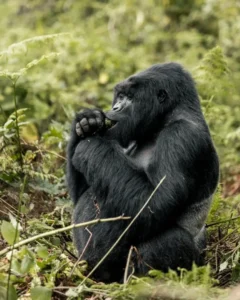
Post-Safari Relaxers: The perfect “wind down” spot after trekking gorillas or chimpanzees.
Active Adventurers: Mountain bikers and hikers looking to tackle the Congo Nile Trail.
Honeymooners: Especially Karongi (Kibuye) for its romantic sunsets and secluded resorts.
Birdwatchers: Those looking to add lakeside and water birds to their Rwanda list.
Frequently Asked Questions About
Lake Kivu Rwanda
Yes. Lake Kivu is one of the few lakes in Africa that is considered safe for swimming. It has no hippos or crocodiles and is free from Bilharzia (a common water-borne parasite).
A private boat tour typically costs between $40 and $100 per hour depending on the size of the boat and the destination (e.g., Napoleon Island). Prices are often negotiable at the public docks in Karongi or Rubavu.
The full trail is 227 km and takes about 10 days to hike or 5 days to cycle. It is physically demanding due to the constant elevation changes (rolling hills), but sections can be done as easy day trips.
Rubavu (Gisenyi) is best for a "beach resort" feel with more nightlife. Karongi (Kibuye) is best for quiet, scenic beauty and island views. Rusizi is best for those connecting to or from Nyungwe National Park.
For relaxation, 2 days is sufficient. If you plan to do coffee tours, island hopping, and a segment of the Congo Nile Trail, 3 to 4 days is recommended.
Yes, except during a few days around the full moon when the bright light makes fishing less effective, and during the mandatory fishing "off-season" (usually two months a year, often August and September—check local schedules).
Book Now